
Experiencing screen bleeding on your laptop? Our guide shows you how to how to fix screen bleeding on laptop quickly and effectively.
Ever seen faint light around your screen's edges while watching a dark movie? It's a common issue many find annoying. While some backlight leak is normal, it can ruin the movie experience.
We'll look into fixing this glow issue. Our team knows how upsetting it is to see bright spots in dark scenes. We've found safe ways to reduce these problems. By following our steps, you can improve display quality.
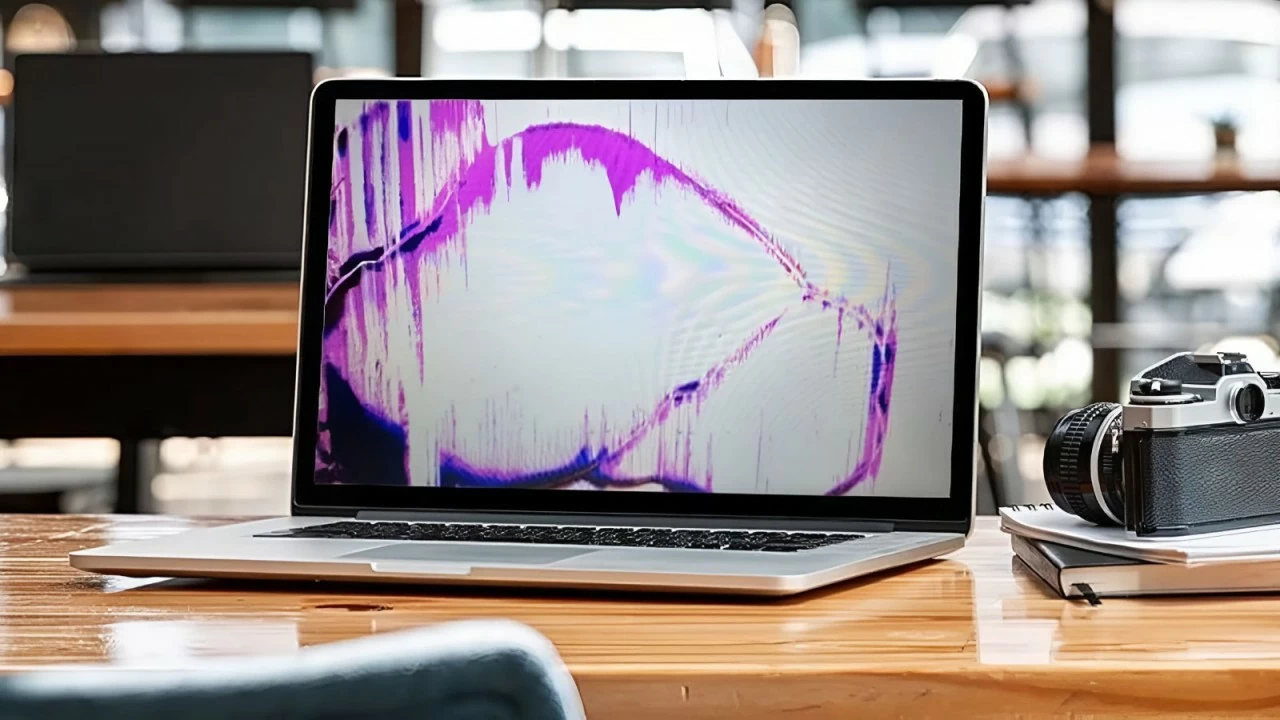
Many think their laptop is broken when they see uneven brightness. We believe knowing your hardware helps manage your expectations. Let's explore how to fix screen bleeding on laptop methods that really work.
Adjusting frame pressure or brightness can minimize visual impact. We want to give clear instructions to everyone. Finding the root cause is the first step to a clearer view.
This issue occurs when light from the panel leaks around the bezel. It might seem scary at first, but most cases can be fixed without a pro. We're here to help you with visual clarity.
Key Takeaways
- Backlight leakage is common in LCD displays.
- Minor glowing is often a manufacturing reality.
- Users can reduce light leaks through simple physical adjustments.
- Software updates might help resolve certain visual glitches.
- Professional repair is needed for severe structural damage.
Understanding the Mechanics of Screen Bleeding
Screen bleeding is linked to how laptop screens are made. It happens when light leaks from the edges or corners of the screen. This is because the backlight shines through layers to show the image.

What is Backlight Bleed?
Backlight bleed is when light leaks from a laptop screen's edges or corners. It's most noticeable when the screen shows dark or black content. This happens because the backlight isn't spread evenly, causing light to show in dark areas.
"Backlight bleed is a common issue in LCD screens, including those used in laptops," it's caused by the manufacturing process and display panel quality.
Why Does Screen Bleeding Occur?
Screen bleeding is mainly due to the design and assembly of the laptop screen. Several factors contribute to this problem:
- Uneven distribution of the backlight: The backlight isn't spread evenly across the screen.
- Pressure on the screen: External pressure can make the screen's layers misalign, causing light to leak.
- Manufacturing defects: Imperfections during making can lead to backlight bleed.
Distinguishing Bleed from Dead Pixels and Clouding
It's important to tell backlight bleed apart from dead pixels and clouding. Dead pixels are small dots on the screen that don't show the right color. Clouding is when the screen's brightness is uneven, showing cloudy or patchy areas.
Knowing the differences helps us diagnose and fix the problem better. An expert said, "Accurate diagnosis is key to finding the right solution for display issues."
How to Fix Screen Bleeding on Laptop: Initial Diagnostics
Fixing laptop screen bleeding starts with initial diagnostics. This step is key to figuring out if the problem is with the screen or software.
We test our display in different settings to see how screen bleeding changes. This helps us understand the issue better.
Testing Your Display in a Dark Environment
First, we test the laptop screen in a dark room. We turn off all lights and make the screen as bright as possible. This makes the backlight bleed easier to see.
Then, we move to a room with normal lighting. We open our laptop and turn on the screen. This shows us how the bleed looks when we use the laptop normally.

Identifying the Severity of the Bleed
After testing in different lights, we check how bad the bleed is. We look for glowing edges or corners on the screen. We note where the bleed is worst and if it bothers us a lot.
This helps us decide if the problem is small and easy to fix or if it needs a pro to handle.
Documenting the Issue for Warranty Claims
It's important to document the screen bleeding, especially for warranty claims. We take clear photos or videos of the screen from different angles and lights. This shows the problem clearly to the manufacturer or repair service.
We also keep a record of our laptop's maintenance history. This includes any repairs or screen issues before. This helps support our claim and makes the process easier.
Software-Based Adjustments and Calibration
To fix laptop screen bleeding, we can try software solutions. These adjustments can make the bleed less visible. Sometimes, they even remove the need for hardware repairs.
Adjusting Brightness and Contrast Settings
Changing your laptop's brightness and contrast can help. Lowering the brightness makes light leaks less obvious. You can adjust these settings with keyboard shortcuts or in your operating system's display settings.
Using your laptop's brightness keys can reduce light leaks. Also, check the display settings menu for more tweaks. Adjustments like contrast and gamma can help hide the bleed.
Using Color Calibration Tools
Color calibration is key in reducing screen bleeding. It adjusts your display's color profile to hide the bleed. Most operating systems have built-in tools for this.
Using these tools well requires knowing your display and its environment. Calibrating in a bright room is different from a dark one.
Updating Graphics Drivers
Old graphics drivers can make display issues worse, like screen bleeding. Keeping your drivers updated is simple and can fix the problem. You can update them in your laptop's device manager or on the manufacturer's website.
Updating drivers helps with bleeding and improves your system's performance. It's wise to check for updates often, especially if you're seeing display problems.
Physical Adjustments and Pressure Relief
Dealing with laptop screen bleeding often means making physical changes. Screen bleeding happens when light leaks through the LCD panel, usually around the edges. This can be caused by pressure or improper assembly.
Making a few simple physical changes can often solve the problem. Let's look at some methods that can help.
Loosening the Bezel Screws
Pressure from the bezel can cause screen bleeding. Loosening the bezel screws can help reduce this pressure. It's important to do this carefully to avoid damaging the screws or stripping their heads.
To loosen the bezel screws effectively, make sure your laptop is turned off and stable. Use the right screwdriver to gently loosen the screws around the bezel. Don't remove them completely unless you have to.
Applying Gentle Pressure to the Screen Edges
Another way to fix screen bleeding is by applying gentle pressure to the screen edges. This can help spread the pressure more evenly. But, be careful not to apply too much pressure, which could cause more damage.
To apply gentle pressure, find the area where the bleeding is worst. Then, use your fingers or a soft cloth to gently press on the screen's edge near the problem area. See if this reduces the bleeding.
Checking for Chassis Warping
Sometimes, the laptop's chassis can warp due to stress or manufacturing defects. Checking for chassis warping means looking for any signs of deformation in the laptop's body.
If you think the chassis is warped, carefully check the laptop's construction. Look for any bent or warped areas. If you find any, you might need professional help to fix it and stop the screen bleeding.
By making these physical adjustments, many people can easily fix their laptop screen bleeding. If the problem doesn't go away, you might need to try more troubleshooting or get professional help.
Advanced Hardware Troubleshooting
Advanced hardware troubleshooting can help find and fix the main causes of laptop screen bleeding. If simple fixes and software tweaks don't work, it's time to look at the laptop's inside parts.
Inspecting the Display Cable Connections
A loose or damaged display cable connection can cause screen bleeding. To check this, you need to take apart your laptop to see the display cables. Make sure the laptop is turned off and unplugged before you start.
Look at the connections between the display and the motherboard. If the cables are loose, tighten them. If they're broken, you might need to replace them. This simple action can often fix the screen bleeding problem.
Checking for Internal Debris or Dust
Dust or debris inside the laptop can also cause screen bleeding by putting pressure on the display. Look closely at the laptop's inside for dust or debris around the screen and its brackets.
- Use compressed air to gently remove any dust.
- Avoid touching the internal components to prevent static damage.
Evaluating the Screen Mounting Brackets
The screen mounting brackets are key to keeping the display panel in place. Check these brackets for any damage or misalignment.
If the brackets are damaged, they might need fixing or replacing. If they're not aligned right, it can put uneven pressure on the screen, causing bleeding.
When to Consider a Screen Replacement
When you see laptop screen bleeding, it's important to check if it's permanent. If the light leak is obvious in normal light and makes it hard to work, it might be time for a laptop screen bleeding solution. This could mean replacing the screen.
Signs That the Panel is Permanently Damaged
Permanent damage to your laptop screen can show up in different ways. If the bleeding is all over or gets worse over time, the screen might not be fixable. Also, if you see dead pixels or color changes, it could mean a bigger problem with the display.
Experts say, "The severity and how long backlight bleed lasts can tell a lot about the display panel's health."
"In many cases, if the bleed is significant and visible under normal usage conditions, replacement is often the most viable long-term solution."
Assessing the Cost-Benefit Ratio
Replacing a laptop screen can be expensive. It's key to think about the cost and benefits. Look at your laptop's age and condition, and the price of a new screen. If your laptop is still under warranty, you might get a free replacement.
| Factor | Considerations | Decision |
|---|---|---|
| Laptop Age | New, Old | Replace if new, consider alternatives if old |
| Warranty Status | Under warranty, Expired | Claim warranty if applicable |
| Replacement Cost | High, Low | Weigh against laptop's value |
Sourcing Compatible Replacement Panels
If you decide to replace the screen, finding the right panel is key. Make sure the replacement screen fits your laptop's specs to avoid problems.
Check the manufacturer's website or talk to a repair service to find a compatible screen. This way, you can fix your laptop's display and get it back to normal.
Professional Repair vs. DIY Approaches
When you face laptop screen bleeding, you must decide between professional repair or DIY. This choice depends on the problem's severity, your DIY skills, and the risks involved.
DIY repairs might save money but carry risks, especially for those new to laptop repairs. There's a chance of damaging your laptop more, which could cost more later.
Risks of DIY Screen Repairs
Fixing laptop screen bleeding yourself can lead to problems. You might damage the screen or other parts. Without the right tools and knowledge, finding the problem's source is hard.
- Risk of causing additional damage to the screen or other laptop components.
- Potential for improper repair techniques that might not fully resolve the issue.
- Lack of warranty on DIY repairs, leaving you with no recourse if the problem persists.
Benefits of Authorized Service Centers
Choosing an authorized service center has many advantages. They have the skills and tools to fix screen bleeding well. Plus, their repairs usually come with a warranty, giving you peace of mind.
Benefits include:
- Expert technicians with experience in handling various laptop models.
- Genuine parts that ensure the longevity of the repair.
- Warranty on repairs, offering protection against future issues.
Finding Reliable Third-Party Repair Shops
If you don't want to use an authorized center, finding a good third-party shop is key. Look for shops with positive reviews and laptop repair experience. Make sure to ask about their warranty and parts used.
When looking for a third-party repair service, consider these points:
- Check online reviews and ratings to gauge their reputation.
- Ask about their experience with your laptop model or similar issues.
- Inquire about the warranty they offer on their repairs.
By understanding the pros and cons of each option, you can choose the best way to fix your laptop screen bleeding.
Preventing Future Backlight Bleed
To stop backlight bleed, know the causes and take steps ahead of time. Taking good care of your laptop can lower the chance of screen bleeding. Keeping your laptop screen in top shape is key to its long life.
Proper Laptop Handling and Transport
Being gentle with your laptop is key to avoiding screen bleeding. Always close your laptop softly and don't touch the screen too much. This prevents oils from your skin from harming the display. When moving your laptop, use a padded bag or case to shield it from shocks and bumps.
Here are some tips to protect your laptop during transport:
- Use a laptop sleeve or bag with enough padding.
- Don't overpack your laptop bag, as it can put pressure on the device.
- Keep your laptop away from extreme temperatures during transport.
Avoiding Excessive Pressure on the Lid
Too much pressure on the laptop lid can cause screen bleeding. Be careful how you close your laptop and avoid using too much force. Also, don't put heavy things on top of your closed laptop, as it can press too hard on the screen.
Here are some tips to avoid putting too much pressure on your laptop lid:
- Close your laptop softly, making sure not to slam the lid shut.
- Avoid stacking heavy objects on your laptop.
- Use a laptop stand or riser to improve airflow and reduce the need to close the lid tightly.
Managing Thermal Stress on the Display
Thermal stress can also lead to screen bleeding. It's important to manage your laptop's temperature. Make sure your laptop has good airflow by keeping vents clear and using it on a flat, hard surface.
| Thermal Management Technique | Description | Benefit |
|---|---|---|
| Using a Laptop Stand | Elevates the laptop to improve airflow | Reduces overheating risk |
| Cleaning Dust from Vents | Removes dust and debris from vents | Improves airflow and cooling |
| Monitoring Temperature | Uses software to monitor laptop temperature | Helps prevent overheating |
Effective thermal management can prevent damage to your laptop screen and other parts. By following these tips, you can keep your laptop in good shape and lower the chance of screen bleeding.
Understanding Panel Technologies
Different display panel technologies have unique traits that can impact screen bleeding. The type of panel in a laptop screen greatly affects how likely and severe this issue is.
We will dive into the details of various panel technologies and their bleeding risks. This will help you understand your laptop's display better.
Why IPS Panels are Prone to Bleeding
IPS (In-Plane Switching) panels are known for their color accuracy and wide viewing angles. But, they can be more likely to have screen bleeding. This is due to their construction and how they handle backlight distribution.
Key factors contributing to screen bleeding in IPS panels include:
- The uniformity of the backlight
- The quality of the panel's manufacturing process
- The design of the panel's structure
Comparing TN and VA Panel Characteristics
TN (Twisted Nematic) and VA (Vertical Alignment) panels differ from IPS panels. TN panels are less likely to bleed but may have less color accuracy and viewing angles. VA panels have better contrast but can also bleed like IPS panels.
The main differences between these technologies are:
| Panel Type | Color Accuracy | Viewing Angles | Bleeding Proneness |
|---|---|---|---|
| IPS | High | Wide | Prone |
| TN | Moderate | Narrow | Less Prone |
| VA | High | Moderate | Moderately Prone |
The Role of Manufacturing Quality Control
Manufacturing quality control is key in screen bleeding. The quality of the backlight, panel assembly, and inspection processes all matter. They affect the final product's performance.
Warranty and Manufacturer Support Policies
Dealing with laptop screen bleeding needs tech know-how and understanding warranty policies. Knowing what's covered by your warranty is key. Also, knowing how to talk to the manufacturer's support team is crucial.
What Manufacturers Consider a Defect
Manufacturers have clear rules for what's a defect. For example, backlight bleed might be a defect if it's too visible or in certain screen areas. Knowing these rules helps figure out if your issue is covered by warranty.
According to a statement by
"Dell Technologies considers display defects, including backlight bleed, as warranty-covered issues if they meet specific severity criteria."
It's important to check your laptop's warranty policy for screen bleeding coverage.
| Manufacturer | Warranty Coverage for Backlight Bleed | Severity Threshold |
|---|---|---|
| Dell | Yes, under certain conditions | Severity level 3 or higher |
| HP | Yes, if it affects usability | Varies by model |
| Lenovo | Generally covered | Depends on the display type |
Navigating the RMA Process
The Return Merchandise Authorization (RMA) process is key for warranty repairs or replacements. You'll need your laptop's serial number, proof of purchase, and a detailed issue description.
Key steps in the RMA process include:
- Contacting the manufacturer's support team to report the issue
- Providing required documentation and information
- Following the support team's instructions for further actions
- Shipping the laptop to the designated repair center if required
Communicating Effectively with Support Teams
Talking clearly with support teams is crucial for a smooth RMA process. Be ready to share detailed info about your problem, including any troubleshooting you've done.
As emphasized by a support specialist,
"Clear and concise communication about the issue, along with any relevant documentation, significantly speeds up the RMA process."
Keeping a record of your support team talks can help with any future issues.
Tools Required for Screen Repairs
Fixing a laptop screen bleeding issue needs the right tools. You must be precise and use the correct equipment to avoid harming your device.
To fix a laptop screen, you'll need some key tools. These include screwdriver sets, plastic pry tools, and anti-static protection devices.
Essential Screwdriver Sets for Laptops
A good screwdriver set is a must for laptop repairs. You'll need a variety of screwdrivers like Phillips, flathead, and Torx. This is because laptops use different screws.
Key Features of a Good Screwdriver Set:
| Feature | Description | Importance Level |
|---|---|---|
| Variety of Drivers | Includes Phillips, flathead, and Torx drivers | High |
| Precision Tips | Allows for precise screw handling | Medium |
| Ergonomic Handles | Provides comfort during extended use | Medium |
Using Plastic Pry Tools Safely
Plastic pry tools are key for safely opening the laptop bezel. To use them right, gently insert the tool into the gap. Then, carefully pry the bezel away.
Tips for Safe Usage:
- Start with a small gap to avoid applying too much pressure.
- Work your way around the bezel slowly.
- Avoid using metal tools that can scratch or damage the laptop.
Anti-Static Mats and Wrist Straps
Anti-static protection is vital when working with sensitive electronics. Anti-static mats and wrist straps prevent static discharge. This helps protect your laptop's internal components.
With these essential tools and safety precautions, you can fix your laptop screen. This includes solving screen bleeding problems.
Safety Precautions for Laptop Disassembly
When we tackle a laptop screen bleeding solution, safety is key. Disassembling a laptop can expose us to risks like electrical shock and physical injury. It can also damage the device.
To ensure a safe repair, we must take precautions. Working with electronic components needs a careful and methodical approach.
Disconnecting the Battery First
Before starting any repair, disconnecting the battery is crucial. This step prevents accidental power-ons or electrical shorts. It keeps us safe from injury or damage to the laptop's internal parts.
To disconnect the battery, we must remove the back panel or access the battery compartment. It's important to refer to the laptop's manual or online guides specific to our model.
Managing Ribbon Cables and Connectors
Ribbon cables and connectors are delicate and can be easily damaged. When disconnecting them, we should handle them by the edges. Avoid pulling on the cables themselves. Using the right tools, like a plastic spudger, helps in safely prying open connectors.
Avoiding Static Discharge Damage
Static electricity is a big risk when working with electronic components. To avoid this, we can use anti-static wrist straps or mats to ground ourselves. This simple step can prevent damage to sensitive components.
By following these safety precautions, we can minimize risks when disassembling a laptop to fix issues like screen bleeding. It's always better to be cautious and take our time for a safe and effective repair.
Testing Your Screen After Repairs
After fixing the laptop screen bleeding, we must do a detailed check. This ensures the repair was a success and the screen works right.
Running Backlight Bleed Test Patterns
Testing your screen with backlight bleed test patterns is a good idea. These patterns show if there are backlight problems like bleed or uneven light. You can find these patterns online, like solid colors and gradients, to spot any issues.
Checking for Uniformity and Color Accuracy
It's also key to check if your screen's colors and brightness are even. Using images with the same color can reveal any color issues or damage.
To see if your screen is even, show a white or black image. Look for any spots that don't match the rest. For color accuracy, use tools or images with known colors to compare with your screen.
Verifying Touchscreen Functionality if Applicable
If your laptop has a touchscreen, you must test it after repairs. Make sure the touch works everywhere and there are no dead spots.
To test the touchscreen, use the system's tools or apps made for touch screen checks. These tools can spot any touch problems.
| Test Type | Description | Expected Outcome |
|---|---|---|
| Backlight Bleed Test | Displaying test patterns to check for backlight bleed | No visible bleed or uneven lighting |
| Uniformity Check | Displaying uniform color images to check for consistency | Consistent color across the screen |
| Touchscreen Test | Testing touch input across the screen | Accurate and responsive touch input |
Conclusion
To fix laptop screen bleeding, you need to understand its causes and perform diagnostics. This guide helps you find the right fix for your laptop's screen. You can improve your laptop's screen performance by following these steps.
There are many ways to tackle screen bleeding, from software tweaks to physical repairs. Or, you might need professional help. It's important to explore these options carefully to find the best solution for you.
By taking the right steps, you can make your laptop's display better and last longer. If you're still having trouble after trying the fixes, it's time to get professional help.