
We recently witnessed a major shift as big tech leaders met at the White House. Google and Meta signed a new agreement regarding their massive energy use. This Ratepayer Protection agreement ensures that tech companies handle the financial burden of new electricity generation.
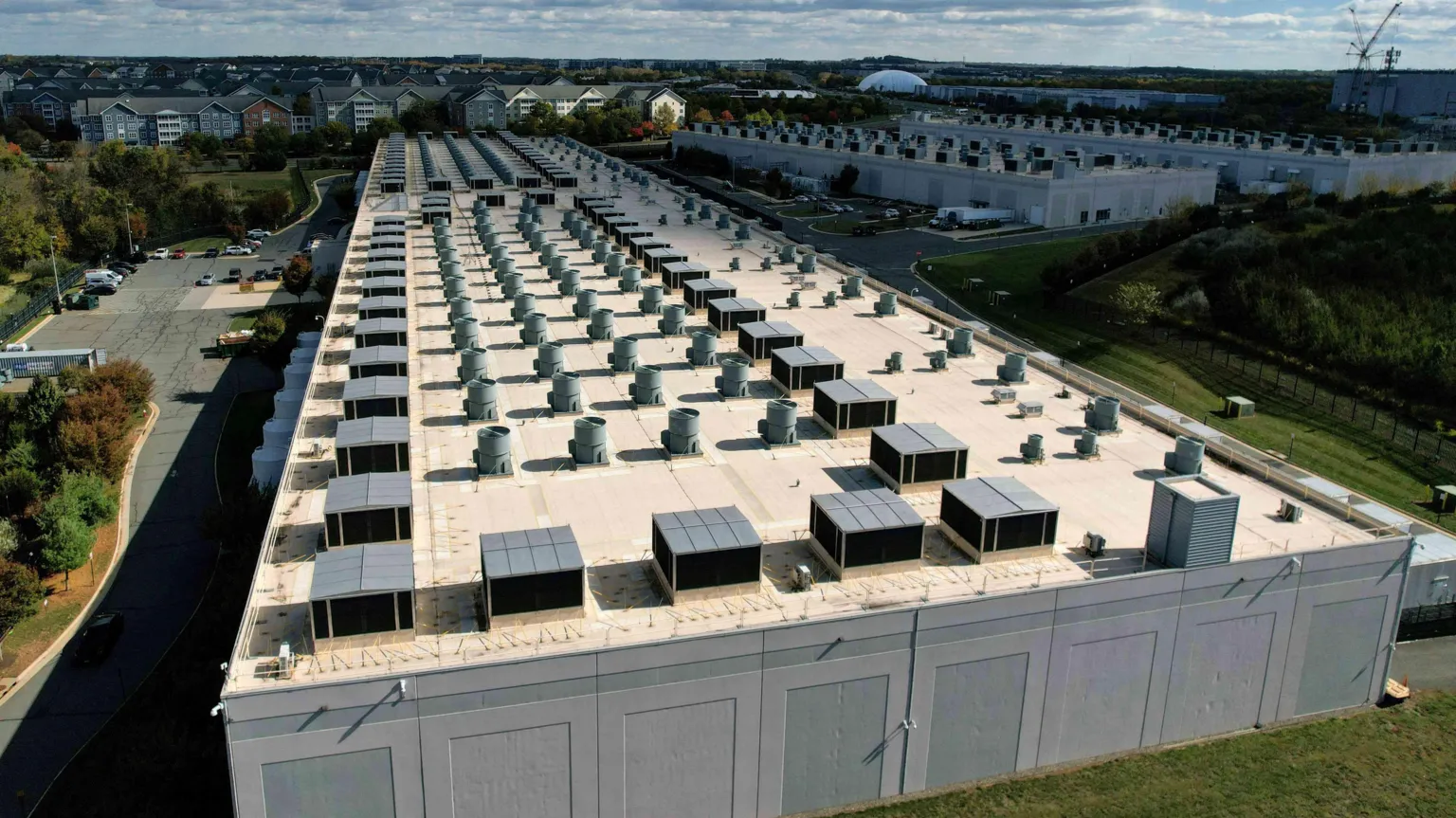
The administration sought this deal because they want consumers protected from rising bills. President Trump announced the initiative to ensure families do not pay more regarding grid updates. As artificial intelligence grows, the demand from data centers places significant stress on local grids.
We saw local communities voice concerns about how these centers might impact their monthly utility costs. By covering these energy expenses, companies hope supporting technological growth happens without hurting families. We observed increasing tension between tech development and local power infrastructure needs.
We will examine if this pledge provides enough protection for regular people. These facilities must remain efficient as we track the impact on national grids. Our team looks forward to seeing how these corporate giants fulfill their promises over the coming years.
1. White House Unveils Ratepayer Protection Pledge for Data Centers
We gathered at the white house on Wednesday to witness a significant policy announcement. Donald trump led the ceremony where seven major companies committed to the ratepayer protection pledge. We believe this move at the white house marks a turning point for how the administration handles energy demand.
During the event, trump said that these tech companies can now secure power without increasing electricity costs for families. This ratepayer protection pledge serves as a guarantee that data centers will support the infrastructure they use. We think this is a vital step for any state dealing with a surge in data needs.
Government officials stated that no new data centers will start without full community transparency. The ratepayer protection plan was first mentioned during a speech at a crucial time for voters. Protecting the public is now a top priority for developers in every region.
We noted that the protection pledge was signed at the white house to ensure that these centers strengthen the grid. Donald trump praised the pledge and noted how these centers help families while processing data safely. This agreement helps avoid the local opposition we saw in recent months.
| Organization | Commitment Level | Primary Focus |
|---|---|---|
| Amazon | Signed Pledge | Grid Resilience |
| Signed Pledge | Cost Protection | |
| Microsoft | Signed Pledge | Infrastructure |
| Meta | Signed Pledge | Community Support |
| OpenAI | Signed Pledge | Energy Efficiency |
2. What the Ratepayer Protection Pledge Requires from Tech Companies
We found that the agreement mandated significant financial contributions from tech firms to secure new power generation. This pact includes five key points designed to shield consumers from rising prices. First, companies must pay for new electricity generation capacity by building plants or funding expansions.
Second, they cover all infrastructure costs for transmission. This ensures the grid remains stable without charging local communities for the upgrades. We see that these data centers must pay for these sources even if they do not use the power.
| Commitment | Responsibility of Tech Firms | Benefit to the Public |
|---|---|---|
| Capacity | Pay for new power plants | Prevents energy shortages |
| Infrastructure | Fund grid connections | No extra cost for utilities |
| Risk Management | Pay regardless of actual use | Stable electricity prices |

The agreement also addresses rate structures to reflect unique usage. By using these rate structures, data centers avoid shifting financial burdens to others. These structures help utilities manage the high demand for electricity from data hubs.
Furthermore, companies promised to share on-site backup power during energy emergencies. These centers will also hire and train workers in the local area. We believe this rate change ensures that data growth does not hurt the electricity supply for average families.
3. Tech Firms Pledge to Pay for AI Data Centre Power Costs. But Will They?
We must address the central question of whether Tech firms pledge to pay for AI data centre power costs. But will they? This agreement contains no binding enforcement mechanisms to hold them accountable. We find that without legal penalties, the entire framework relies on corporate goodwill.
We identify the complete absence of legal consequences as the most significant weakness in this pledge. If companies choose to ignore their commitments, they only face the risk of bad publicity. This creates a situation where the public must trust their words without any real safety net.
We recognize that big tech entities have extensive experience managing negative press. Reputational damage alone may not provide enough motivation to ensure they follow the rules for data centers. They have weathered many storms before while maintaining their market dominance.
Trump said that he wants to expand energy production, but the lack of formal enforcement raises serious questions. While administration officials may try to pressure tech leaders, the electricity rates for American consumers remain at risk. We believe that voluntary promises often fail when they meet economic reality.
We note that Google claims it typically follows similar guidelines when building new data hubs. However, this voluntary approach might not extend to all companies involved in artificial intelligence. Other players might prioritize profit over protecting the consumer.

The physical challenges extend beyond a simple willingness to pay for power. Jon Gordon from Advanced Energy United explains that the real problem is getting new generation online fast enough. We are worried that the speed of growth is faster than the speed of building.
We see a critical timing issue because building infrastructure takes a lot of time. Existing grid systems must handle the increased demand while new projects are still under construction. This creates a gap that could lead to higher bills for everyone else.
The administration focuses heavily on natural gas and other fossil fuels. We observe that this policy may actually slow down progress compared to quicker sources like solar and wind. Renewables can often be deployed much faster than traditional plants.
Fossil fuel projects often require longer permitting and construction timelines for new energy. This focus on gas contradicts the goal of quickly expanding the supply across various states. We need faster solutions to meet the growing hunger for data processing.
We are concerned that the pledge may prove largely symbolic. Multiple communities have already rejected or postponed new centers due to the high cost of infrastructure. They fear that their local resources will be drained by these massive facilities.
Lawmakers and consumer groups are calling for stronger protections. They want to prevent high electricity bills tied to the growth of machine intelligence. We must ensure that regular families do not pay for the growth of billion-dollar firms.
We will monitor whether these tech giants make concrete financial commitments. Industry officials will watch to see if this is more than a public relations exercise. We need to see real money moving into infrastructure projects.
We recognize that the scale of artificial intelligence development presents unprecedented challenges for many states. This situation requires solutions that go beyond voluntary actions to protect prices. The intelligence industry must be responsible for its own footprint.
The question of enforcement is critical when building costs require billions of dollars. We must consider how market forces will influence the demand for electricity. If costs rise too high, companies may find reasons to step back from their pledge.
Local opposition in various communities remains a significant barrier for new centers. We observe that the timing of this initiative might be linked to political goals. We must separate political theater from actual utility planning.
We must wonder if companies will maintain their financial goals during an economic downturn. Our analysis shows that the promise to lower prices lacks specific guarantees. We hope for the best but prepare for more grid strain.
We are left wondering if this represents genuine progress in managing power. It might just delay addressing the tension between energy growth and electricity costs. The shift toward natural gas will define how we set prices for years to come.
| Challenge Category | Practical Barrier | Impacted Area |
|---|---|---|
| Enforcement | No legal penalties for failure | Consumer price stability |
| Infrastructure | Slow natural gas permitting | National grid capacity |
| Economics | Rising hardware and fuel costs | Local community budgets |
4. Conclusion
The emergence of the Ratepayer Protection Pledge marks a vital step in addressing the friction between AI progress and energy affordability. We believe this agreement acts as an essential acknowledgment of the pressures facing American consumers today. While the commitment sets clear expectations, the lack of enforcement tools leaves its true impact in question.
We recognize that building new power capacity quickly enough to meet data center demand is a massive hurdle. The rapid growth of these centers has become a heated topic in many local communities. This trend requires better frameworks and structures for managing how we build our future power systems.
The success of this initiative depends on real investments in the power grid rather than just words. We believe that signatures at the White House are only the starting point for meaningful change. Actual upgrades to transmission lines and generation plants will matter much more in the coming years.
We suggest that residents monitor their local electricity costs and new project updates. Staying informed is the best way to protect your personal finances. We believe stronger state rules may be needed to keep electricity costs fair for everyone as technology expands.
The next few months will show if these large firms truly pay their own way. We will keep watching how these companies turn their promises into real actions that benefit the public. Our goal is to ensure that innovation never comes at the expense of the average household.