
The Surprising Reason Ford CEO Won't Drop the Manual Mustang
Ever thought about if shifting gears is old-fashioned in today's automated world? Many brands are moving to electric cars, but the Mustang stays true. We think shifting is key to driving.
Jim Farley told Road & Track something bold. He said we must keep three-pedal cars alive. This ford ceo decision manual mustang fans love keeps the car's heritage alive.
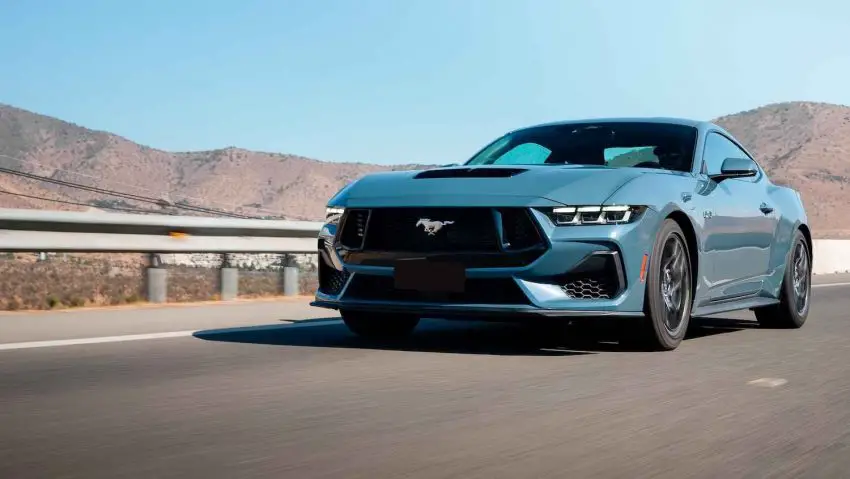
This choice shows the heart of American muscle cars. To understand why ford ceo refuse to discontinue the manual mustang, we must see the emotional side. It's about keeping the raw driving experience alive for those who love mechanical control.
Key Takeaways
- Jim Farley confirms long-term commitment to traditional gearboxes.
- Farley's "cold, dead hands" quote signals a deep passion for heritage.
- Market demand for engaging driving remains high among performance enthusiasts.
- Retaining three pedals separates the Mustang from modern electric competitors.
- Ford prioritizes driver connection over following generic industry trends.
- Mechanical engagement is viewed as an essential part of brand identity.
The Enduring Legacy of the Ford Mustang
The Ford Mustang has won a special place in the hearts of car lovers. It shows the spirit of American innovation and performance. It's known for its power, style, and long history.
The Mustang has faced many challenges but still thrives. It has survived oil crises, changes in rules, and the fall of its rivals. This shows its lasting appeal and the strong bond it has with manual Mustang enthusiasts.
A Cultural Icon
The Ford Mustang is more than a car; it's a cultural symbol. It has been in many films, songs, and artworks. It stands for freedom and the joy of the open road.
The ford manual mustang market demand is still strong. This is because of the love for the driving experience and the connection to the road. This demand keeps the Mustang alive and evolving.

The Mustang's legacy is seen in its many models and editions. Each one has its own special features and history. Here's a look at some notable ones:
| Model Year | Model Name | Notable Features |
|---|---|---|
| 1965 | Mustang GT | Introduced the iconic fastback design and enhanced performance capabilities. |
| 1969 | Mustang Mach 1 | Featured a distinctive fastback body style and improved engine options. |
| 2005 | Mustang GT | Revitalized the Mustang with a retro-inspired design and modern performance upgrades. |
The Ford Mustang's lasting legacy comes from its ability to change while keeping its roots. Looking ahead, it's clear the Mustang will keep being a big part of American car culture.
Analyzing Why Ford CEO Refuse to Discontinue the Manual Mustang
The Ford Mustang's manual transmission is more than a feature. It shows Ford's commitment to driver engagement, as Jim Farley points out. It's about the joy and connection you feel while driving.
Farley believes the manual transmission is key to the Mustang's identity. By keeping this option, Ford meets the needs of loyal customers. They value the driving experience and the control it offers.
Commitment to Driver Engagement
Driver engagement is crucial for the Mustang's appeal. The manual transmission makes this connection stronger. It's not just about driving skills; it's about feeling connected and accomplished.
To show the manual Mustang's benefits, let's look at some key points:
| Feature | Manual Transmission | Automatic Transmission |
|---|---|---|
| Driver Engagement | High | Low |
| Driving Experience | More immersive | Less immersive |
| Fuel Efficiency | Generally better | Varies |

The table shows the manual transmission's benefits. It highlights the importance of driver engagement and the driving experience. These are key reasons for the Mustang's lasting appeal.
By keeping the manual Mustang, Ford honors its heritage. It also meets the needs of a niche market that values manual transmissions. This shows Ford's dedication to its customers and its willingness to stand out from the crowd.
The Cultural Significance of the Stick Shift in American Automotive History
The manual transmission Mustang is a symbol of American car culture. It connects the driver to the car in a special way. This connection comes from the unique driving experience manual transmissions offer.
The stick shift is more than a part; it's a symbol of power and freedom. It lets drivers control the car's speed and power directly. This makes driving more immersive and is loved by car enthusiasts.
A Symbol of Performance and Freedom
Manual transmissions are linked to high-performance driving. They let drivers adjust shifts for better control, unlike automatics. This is especially true for the Mustang, known for its power and agility.
Key advantages of manual transmissions in Mustangs include:
- Enhanced driver engagement through direct control over gear shifts
- Improved performance in certain driving conditions, such as racing or hilly terrain
- A more immersive driving experience that connects the driver to the vehicle
Historical Context
Manual transmissions have a long history in American cars. They've always offered control and engagement that drivers love. This has made them a favorite among car enthusiasts.
| Year | Model | Transmission Type |
|---|---|---|
| 1965 | Ford Mustang | Manual (4-speed) |
| 1970 | Ford Mustang Mach 1 | Manual (4-speed) |
| 2020 | Ford Mustang Shelby GT500 | Manual (7-speed) |
The table shows how the Mustang's transmission has changed over time. It highlights the Mustang's long history with manual transmissions. This shows how important they are to the Mustang's identity.
The Ford CEO's choice to keep manual transmissions in the Mustang shows a commitment to tradition. As we move towards electric cars, keeping manual transmissions in iconic models like the Mustang is a nod to their lasting appeal.
How Ford CEO Manual Mustang Strategy Shapes Brand Identity
Ford CEO Jim Farley's choice to keep manual Mustangs is a smart move. It shows Ford's dedication to driving fans and the Mustang's rich history. By not dropping the manual option, Ford makes a strong statement.
Reinforcing the Mustang's Heritage
Keeping the manual option in Mustangs shows the car's focus on fun driving. This choice is key to keeping the Mustang's cultural and historical value. It makes Ford's brand more appealing to both old fans and new drivers who love to drive.
The manual Mustang is more than just a throwback. It's about the excitement of driving.Key features that make this experience great include:
- Precise gear shifting
- Enhanced driver engagement
- A deeper connection between the driver and the vehicle
"The manual transmission is an integral part of the Mustang's DNA, and we're committed to preserving that heritage." - Jim Farley, Ford CEO
By keeping manual Mustangs, Ford boosts its brand identity. It also meets the needs of a loyal market that loves the unique feel of manual transmissions. This choice is likely to make Mustang fans happier and more loyal to the brand.
The Engineering Challenges of Maintaining Manual Transmissions in Modern Vehicles
Adding manual transmissions to today's cars, like the Mustang, is a tricky task. It's all about finding the right mix of speed and fuel use. With new car tech, keeping manual transmissions up to date is getting harder.
Most cars now come with automatics or electric motors. These offer quick shifts and better gas mileage. But, fans of driving still love the feel of a manual. They enjoy the control and connection to the road it gives.
Balancing Performance and Efficiency
One big challenge is making manual transmissions both fast and fuel-friendly. Engineers must think about gear ratios, clutch design, and how the car weighs. For example, a manual Mustang lets drivers feel more connected to the road.
Let's look at how manual and automatic transmissions compare in modern Mustangs:
| Transmission Type | Performance | Fuel Efficiency | Driver Engagement |
|---|---|---|---|
| Manual | High | Moderate | High |
| Automatic | High | High | Low |
The table shows manuals are better for driving fun and control. But, automatics save more gas. So, a manual Mustang is great for those who love driving and want to tweak their car's performance.
Car makers like Ford face big challenges in keeping manual transmissions up to date. They must use new materials and tech to make cars lighter but still strong and fast.
Understanding the ups and downs of manual transmissions helps us see the hard work behind them. Ford's choice to keep manual options in the Mustang shows their commitment to the driving experience that fans cherish.
Market Demand and the Resilience of Manual Mustang Enthusiasts
Ford keeps making manual Mustangs because of loyal customers. They love the driving experience it gives. Enthusiasts are key in keeping this demand alive.
About 27 percent of buyers chose the manual in 2024. This number might stay the same or go down a bit. It shows how much people love the manual Mustang.
A Loyal Customer Base
The manual Mustang offers a better driving experience. Enthusiasts love the control and connection to the road it gives. It's not just about the tech; it's about the bond with the car.
There's a community of passionate people who want the manual Mustang to keep going. Their loyalty helps Ford decide to keep making them.
Manual Mustang fans are ready to adjust to new trends. Even as cars get more tech, they stick with manual. Their love for driving keeps them loyal.
Comparing the Benefits of Manual Mustang Models Against Automatic Alternatives
Driving a Mustang with a manual transmission is more than just shifting gears. It's an experience that connects you to the road. This connection makes you feel like you're part of the drive, not just along for the ride.
Manual Mustangs have unique benefits compared to automatic ones. The biggest plus is the driver engagement they offer. By shifting gears yourself, you feel closer to the car and the road.
Driver Engagement and Performance
Driving a manual Mustang is more fun because you're in control. You can adjust your driving to fit the road's conditions. This control lets you enjoy the drive more.
- Improved Driver Engagement: Manual transmissions make you more involved in driving, leading to a more rewarding experience.
- Performance Benefits: Enthusiasts love manual transmissions for better control over speed.
- Driving Skill Development: Learning to drive a manual Mustang boosts your driving skills, requiring more coordination and awareness.
Automatic transmissions are easier to use, especially in busy traffic. But they might not be as engaging or offer the same performance as a manual.
Choosing between a manual and automatic Mustang depends on your preference and driving style. If you want to feel more connected to the road, go for the manual.
The Role of Driver Engagement in the Ford Performance Philosophy
Driver engagement is key in Ford's performance philosophy, especially with the manual Mustang. The bond between the driver and the car is vital. Ford works on this connection in many ways.
Farley points out the Mustang's link with its fans is crucial for Ford. This connection is built through the driving experience, especially with the manual transmission. The manual Mustang lets drivers feel closer to the road and the car.
A Key Aspect of the Driving Experience
The manual transmission in the Mustang is more than a feature. It's a core part of the driving experience Ford wants to keep. By offering a manual option, Ford meets the needs of customers who love the control and engagement it brings.
Driver engagement is boosted by the manual transmission in several ways. It gives drivers more control over the car, making driving more interactive. It also connects drivers more directly to the car's performance, making driving more rewarding.
Ford also shows the importance of driver engagement in its design and engineering. The company invests in tech and features that improve the driving experience. This includes responsive handling and strong engine options. These elements together make driving exciting and engaging.
In summary, driver engagement is a big part of Ford's performance philosophy. By focusing on the driver-car connection, Ford makes driving enjoyable and engaging. The manual Mustang is a great example of this, offering a unique and rewarding experience that automatics can't match.
Analyzing the Ford CEO Manual Transmission Decision Through a Financial Lens
Ford CEO Jim Farley's choice to keep manual transmissions is complex. It involves cost and market trends. The car world is moving towards automatic and electric cars. Yet, Ford sticks with manual for the Mustang.
This choice has its costs. Keeping manual transmissions means spending on engineering and getting them certified. For example, Ford stopped manual options in some models because of low demand and high costs. This shows the financial hurdles of keeping niche products.
Cost Considerations
There are many costs to keep manual transmissions. These include production costs, tech investments, and meeting rules. Ford keeps manual transmissions because it values its loyal customers who like manual cars.
Jim Farley, Ford CEO, is balancing costs with what customers want. Understanding this decision requires looking at market trends and what people like.
| Cost Factor | Impact on Manual Transmission | Financial Implication |
|---|---|---|
| Engineering Costs | High development and certification costs for manual transmissions | Increased production expenses |
| Market Demand | Niche but loyal customer base for manual Mustang | Stable revenue stream from enthusiasts |
| Regulatory Compliance | Need to meet emissions and safety standards | Additional investment in technology |
Experts say the manual transmission is more than just a choice. It's part of a brand's heritage and identity. This view is shared by fans and is key in Ford's decisions.
"The manual transmission is a key part of the Mustang's DNA, and we're committed to continuing to offer it for our most passionate customers."
As cars change, Ford's plans for manual transmissions will too. The brand must weigh costs against what customers want. This will shape the future of the manual Mustang.
Looking at Ford's financial view on manual transmissions helps us understand their strategy. Their commitment to manual transmissions shows their dedication to their heritage and customers.
The Future of Manual Mustang Production in an Electrified Era
Electrification is changing the car world, bringing both challenges and chances for the manual Mustang. As electric cars become more common, the need for manual transmissions might decrease.
Electric vehicles don't need traditional gearboxes because they use electric motors for power. This could mean fewer people want manual transmissions.
Challenges and Opportunities
But, there's still a chance for the manual Mustang to shine. Ford can use the love for manual transmissions to make the Mustang stand out.
One idea is to make a hybrid or plug-in hybrid Mustang with a manual. This way, Ford can mix old-school performance with new efficiency.
| Model Type | Transmission Type | Market Appeal |
|---|---|---|
| ICE (Internal Combustion Engine) | Manual | Performance enthusiasts, driving purists |
| Hybrid | Manual/Automatic | Environmentally conscious buyers, tech enthusiasts |
| Electric Vehicle (EV) | Single-speed or Multi-speed Automatic | Early adopters, eco-friendly consumers |
By offering different powertrains, Ford can attract more customers. This way, the Mustang can keep its manual option for those who love it.
The future of manual Mustangs depends on meeting changing market needs while keeping the Mustang's heritage and performance alive.
How Manual Transmission Mustang Advantages Influence Resale Value
Manual Mustangs offer more than just a fun drive. They also boost their resale value. The manual transmission is a key factor in this.
A Key Factor in Ownership
Manual Mustangs are a hit with driving fans. The control and engagement of a manual transmission are unmatched. This makes them very popular in the used car market.
A study found that manual Mustangs hold their value better than automatics. This is because of the unique driving experience they provide.
"The manual transmission Mustang is not just a car; it's an experience. It connects the driver to the road in a way that automatics can't match."
Let's look at how manual transmission affects resale value by comparing Mustang models:
| Model | Transmission Type | Resale Value Retention |
|---|---|---|
| Mustang GT | Manual | 65% |
| Mustang GT | Automatic | 58% |
| Mustang EcoBoost | Manual | 62% |
| Mustang EcoBoost | Automatic | 55% |
The numbers show manual Mustangs keep their value better than automatics. This is a big plus for buyers.
Looking at market trends, it's clear. The manual transmission Mustang advantages are more than just fun driving. They're also a smart investment.
The Connection Between Heritage and Innovation at Ford
The Mustang is a symbol of both heritage and innovation at Ford. For over six decades, it has stood for affordable American performance. It has a rich history that Ford wants to keep alive.
Ford knows the Mustang is more than a car. It's a symbol of American performance for over six decades. This understanding guides Ford's mix of tradition and progress.
Evolutionary Design
The Mustang's design has changed a lot over time. Yet, it still honors its past. This shows Ford's skill in innovating while keeping its legacy alive.
Innovative Features like new tech and better performance keep the Mustang up-to-date. It stays competitive in today's car world.
| Year | Model | Notable Features |
|---|---|---|
| 1964 | Mustang Coupe | Introduced the iconic fastback design |
| 2015 | Mustang GT | Featured a more aggressive exterior styling and improved performance |
| 2020 | Mustang Shelby GT500 | Boasted a 760-horsepower engine and advanced aerodynamics |
The table above highlights key milestones in the Mustang's evolution, showcasing how Ford has balanced heritage with innovation.
Ford's love for the manual Mustang shows its commitment to keeping the driving experience alive. By offering manual transmissions, Ford meets the needs of its loyal fans. These fans love the bond between driver and car.
Keeping manual transmissions in the Mustang lineup is part of Ford's performance philosophy. It focuses on driver engagement and the joy of driving.
Customer Feedback Loops and Corporate Decision Making
At Ford, we know how important customer feedback is. It helps us make big decisions, like keeping the manual transmission in our Mustangs. By talking to our customers, we learn what they really want.
We listen to our customers because they tell us what they love about our cars. Manual Mustang enthusiasts help us make our cars better. Their feedback is key to our success.
Informing Strategic Choices
Customer feedback helps us see what they like and what they don't. This tells us what to focus on. For example, we keep making manual transmissions because our customers want them.
Looking at the ford manual mustang market demand, we see a lot of people want manual cars. So, we keep offering it. This keeps us ahead in the market.
We think customer feedback is the spark that drives us to innovate. It helps us make our products better. This way, we make sure our customers are happy.
Putting customer feedback first helps us make smart choices. These choices make our business grow and keep our customers happy.
The Competitive Landscape of Sports Cars and the Manual Transmission
The number of sports cars with manual transmissions is decreasing each year. This change is affecting the sports car market, where manuals were once common.
The sports car market is seeing a big challenge for manual transmissions. The Ford Mustang, a well-known sports car, is one of the few left with a manual option.
Niche Market
Manual transmissions are mainly wanted by car enthusiasts. They love the unique driving feel and control manuals offer. The Ford Manual Mustang still draws in these enthusiasts, even as manual sales drop.
To grasp the competitive scene, let's compare sports cars by their transmission choices:
| Model | Manual Transmission Availability | Market Demand |
|---|---|---|
| Ford Mustang | Yes | Strong enthusiast demand |
| Chevrolet Camaro | Yes | Moderate demand |
| Porsche 911 | Yes | High demand among enthusiasts |
| Nissan GT-R | No | High performance demand |
The table shows the current state of manual transmissions in popular sports cars. Models like the Ford Mustang and Porsche 911 still offer manuals. But, others have moved to automatic or semi-automatics.
The future of the manual Mustang seems bright thanks to its loyal fans. Yet, the trend in sports cars points to manuals becoming less common.
As cars evolve, makers like Ford must weigh the demand for manuals against the trend towards automatics and electric cars.
Lessons Learned from the Ford Mustang Case Study
The Ford Mustang's choice to keep a manual transmission teaches us a lot about the car world's future. It's not just a throwback to the past. It shows how important it is for drivers to feel connected to the car.
Keeping the manual Mustang shows Ford's smart move. It meets the needs of a special group of drivers who love the feel of shifting gears themselves. This makes the Mustang stand out from other sports cars that mostly use automatics.
Strategic Insights
Here are some key takeaways from Ford's choice to keep the manual Mustang:
- Brand Differentiation: Ford makes the Mustang unique by keeping the manual. This strengthens its brand image.
- Customer Loyalty: Fans who love driving manuals stick with Ford. They feel the brand gets them.
- Market Niche: Ford targets a specific group by focusing on manual transmissions. This appeals to those who enjoy the driving experience.
Jim Farley, Ford's CEO, said, "The manual transmission is key to the Mustang's soul." This shows Ford's dedication to keeping the Mustang's unique driving feel alive.
Ford's choice has big implications for the car world. It shows a shift towards cars that are more fun to drive. As cars change, Ford's lessons will help guide the industry's future.
In short, the Mustang's manual option is a big deal. It highlights the value of keeping a car's heritage alive. As we move forward, the Mustang's story will help shape the cars we'll drive tomorrow.
Conclusion
The Ford CEO's decision to keep making the manual Mustang shows a deep understanding of the brand's history. It also shows a strong commitment to its loyal customers.
The manual Mustang is a key part of Ford's identity. The decision to keep making it is a win for those who love driving a V8 Mustang with a clutch pedal.
Preserving a Driving Tradition
As long as the Mustang has a V8 engine, Ford plans to keep a clutch pedal for drivers who like shifting themselves. This choice keeps a driving tradition alive. It also strengthens the brand's bond with its passionate community of manual Mustang fans.
By sticking with the manual transmission, Ford is saying it values driver engagement and the unique driving experience of the Mustang. This experience has made the Mustang famous for generations.