
Curious about the apple foldable phone release date? We have gathered all the latest leaks and expert predictions to help you prepare for the future launch.
Did you know that the average person interacts with their mobile screen over 2,600 times every single day? Despite this incredible engagement, we still feel limited by small displays that do not expand. For over a decade, various rumors have suggested that a secret project would eventually solve this problem.
We are finally seeing a clear window for the apple foldable phone release date. Current data suggests this massive launch will occur in the fall of 2026. This timing allows the company to perfect the hardware alongside the upcoming iPhone 18 Pro series.
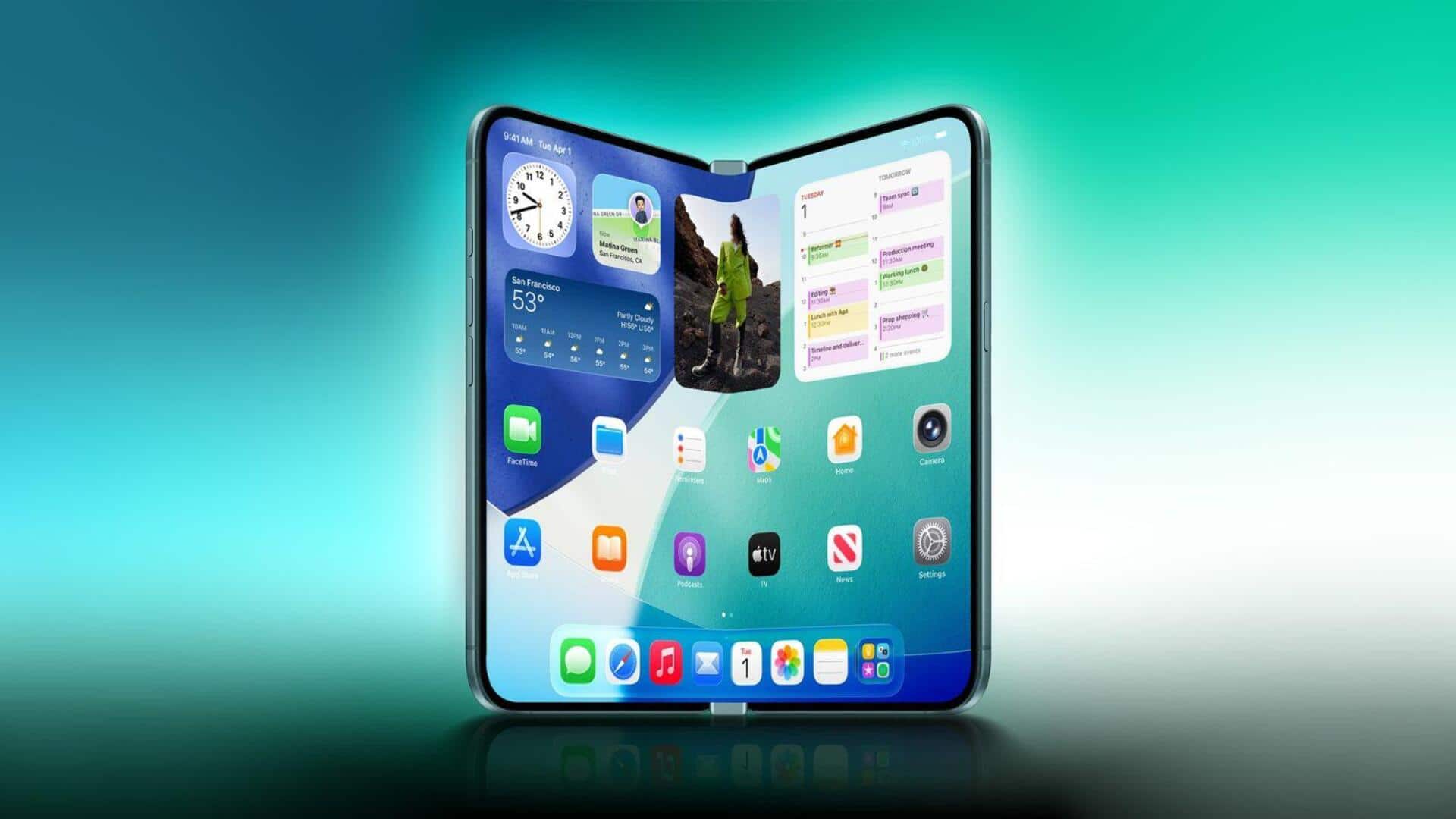
The iphone fold represents the most significant design shift in the history of the product line. Mark Gurman describes this move as a total overhaul of the user experience. By creating an iphone fold, the tech giant merges a portable handset with the power of a tablet.
Our team found that this foldable iphone project has finally cleared major technical hurdles. While past rumors remained uncertain, Apple is now preparing its supply chain for high-volume production. We believe this new form factor will redefine how everyone interacts with technology in their daily lives.
Key Takeaways
- The official launch is currently expected in September 2026.
- This device marks the most dramatic redesign in the product's history.
- The hybrid design combines features from both the iPhone and the iPad.
- Expert Mark Gurman identifies this as a major overhaul for the brand.
- The launch will likely happen alongside the iPhone 18 Pro models.
- Production timelines are accelerating as technological breakthroughs occur.
Apple Foldable Phone Release Date: Expected Timeline
Determining the exact arrival of the flexible device requires looking closely at supply chain reports and expert timelines. We found that the primary target date for this landmark launch currently points to September 2026. This window matches Apple's usual pattern for major hardware debuts.
September 2026 Launch Alongside iPhone 18 Pro Series
We expect the iphone fold to debut during the traditional fall keynote event. It will likely appear as a premium addition alongside the iphone pro and Pro Max models. This launch window allows the company to showcase its most advanced technology at once.
Integrating a foldable into the pro lineup signals its high-end status. We believe this strategy helps justify a higher price point for early adopters. The timing seems perfect for a massive hardware refresh.
Potential December 2026 Delay According to Barclays Analyst
Some experts suggest we might need to wait a bit longer for the official release. One analyst, Tim Long, suggests that a December launch remains a strong possibility. This would happen a few months after the main iPhone event.
A slight delay would give Apple extra time for final hardware refinement. We want the iphone fold to be perfect right out of the box. Small adjustments in the manufacturing process often require these short extensions.
Mass Production Status and Supplier Reports
Our research shows that the iphone pro lineage might soon have a flexible companion. Analyst Ming-Chi Kuo predicts the release will involve 3 to 5 million units in the first year. This conservative start helps Apple test the market response.
Samsung Display has already started early production for the required flexible screens. We expect mass production to hit full speed in July 2026. This schedule keeps the product on track for its fall debut.
Apple moved the device into the engineering verification stage in late 2025. This milestone is a critical step before full-scale manufacturing begins. It ensures all components work together seamlessly.
| Timeline Milestone Estimated Date Current Status | ||
| Engineering Verification (EVT) | Late 2025 | Completed |
| Display Mass Production | July 2026 | Scheduled |
| Official Product Announcement | September 2026 | Projected |
| Retail Availability | December 2026 | Potential Delay |
What Will Apple Call Its Foldable iPhone?
As we look toward the future, the branding of Apple's first flexible smartphone has sparked intense debate. We are closely watching the speculation surrounding how the company will market this high-end foldable iphone. Choosing the right name is vital for positioning the device as a new category leader in a crowded market.
iPhone Fold: The Most Likely Name
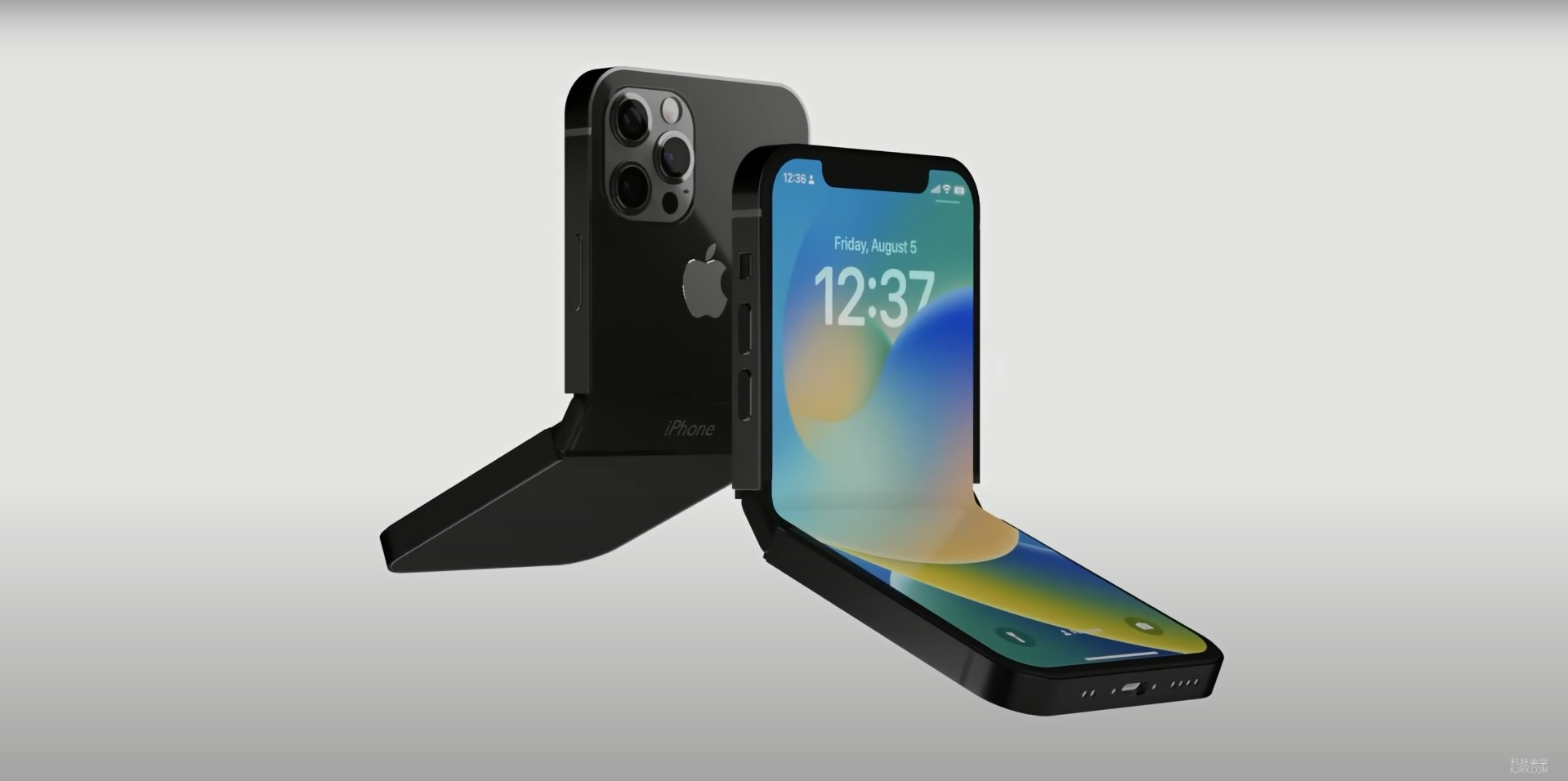
Many current rumors point toward the name iphone fold as the most logical choice for the new device. We have seen a November 2025 UDN report that specifically mentioned this title when discussing future supply chain orders. However, we must consider that Apple often prefers to distance itself from competitors like Samsung.
Since the "Fold" branding is already tied to the Galaxy series, Apple may want a unique identity. Even so, industry insiders frequently use the iphone fold moniker when discussing leaked prototypes. We expect the final decision to reflect a balance between simplicity and clear product function.
iPhone Ultra: Alternative Naming Possibility
Another strong contender for the official label is the iphone ultra. This name would fit Apple’s recent trend of using the "Ultra" designation for its most premium hardware, such as the Apple Watch Ultra. Positioning the foldable iphone as an "Ultra" model would signal that it is their most advanced phone to date.
We believe this naming strategy makes perfect sense from a marketing perspective. It allows the company to justify a higher price point while highlighting superior technology. To summarize the naming possibilities, we should keep the following factors in mind:
- The iphone fold remains the most cited name in current supply chain leaks.
- Apple typically keeps final product names secret until the official keynote event.
- The name will likely align with Apple's goal of offering a premium, elite experience.
Book-Style Foldable Design: What to Expect
Apple’s approach to the iphone fold focuses on a wider, book-like form factor that emphasizes productivity. We’ve discovered that this specific design prioritizes a massive screen experience over simple portability. It marks a significant shift in how we might use our mobile technology in the future.
Selecting Horizontal Opening Over Flip Formats
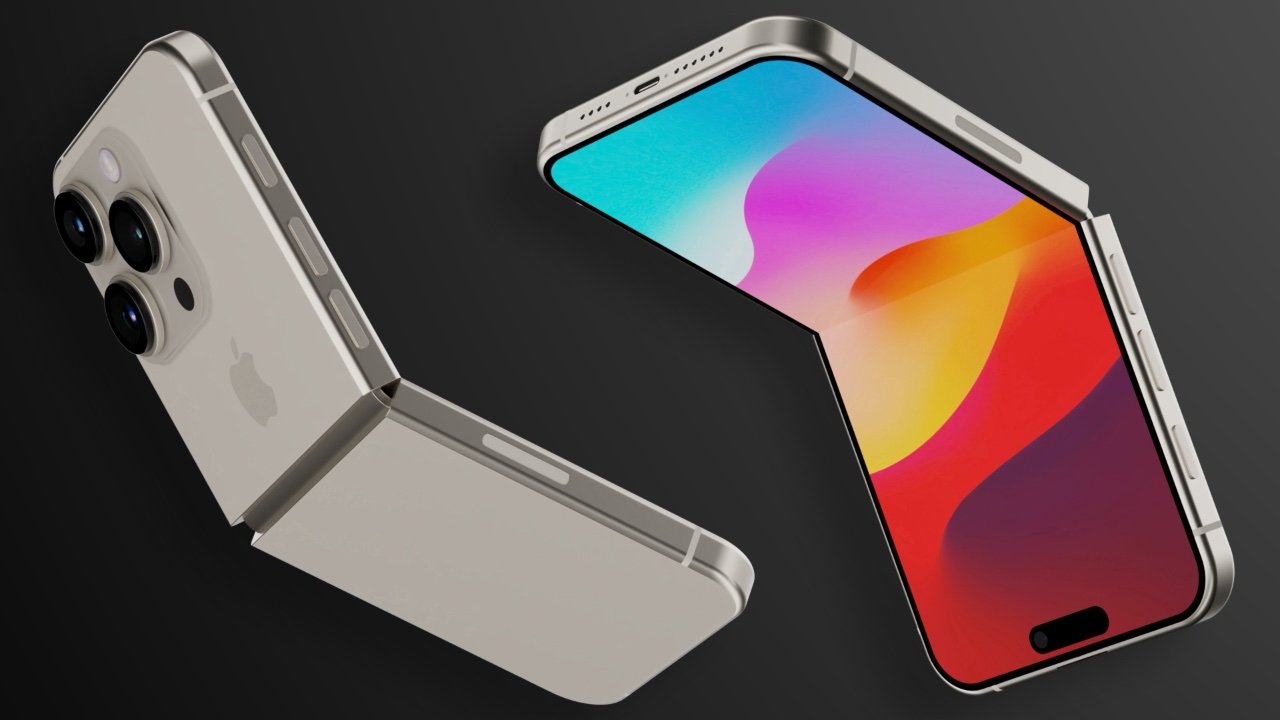
We’ve seen reports that Apple tested various models, including vertical clamshells, before making a final decision. Ultimately, they bypassed the flip-style fold in favor of a horizontal opening. This allows the device to transform from a standard phone shape into a versatile workspace.
Massive Screen Like a Portable Tablet
When fully opened, the foldable iphone reveals a stunning OLED screen with a 4:3 aspect ratio. This configuration makes it feel remarkably like an iPad mini that easily fits in your pocket. We believe this unique hybrid bridge will perfectly merge the best features of a smartphone and a tablet.
Premium Metal Construction
To ensure long-term durability, Apple is utilizing a high-tech hybrid frame. They are using titanium for the stress-bearing parts to prevent any structural bending. Meanwhile, they include aluminum to help with heat management and to keep the overall weight low.
| Component | Material Used | Primary Benefit |
|---|---|---|
| Stress-Bearing Joints | Grade 5 Titanium | High Strength & Rigidity |
| Internal Heat Shield | Recycled Aluminum | Thermal Dissipation |
| Outer Chassis | Polished Aluminum | Weight Reduction |
Visual Evidence from Reputable Leaks
Leaked renders from IceUniverse and Sonny Dickson show a shorter, wider iphone compared to current market competitors. These 3D printed mockups suggest the device is compact when closed. However, the fold mechanism allows it to expand to a nearly full-sized tablet canvas once it is opened.
"The wider aspect ratio is a game changer for mobile productivity, making the foldable iphone feel more like a digital notebook than a stretched phone."
Display Specifications and Screen Sizes
One of the most defining characteristics of the upcoming foldable iphone is the impressive physical dimension of its primary panels. This device aims to blend the portability of a smartphone with the workspace of a tablet for a truly hybrid experience.
7.8-Inch Internal OLED Details
When we open the iphone fold, we encounter a massive 7.8-inch internal display. While some reports mention a 7.6-inch screen, our findings point toward the larger 7.76-inch measurement as the standard.
With a resolution of 2,713 x 1,920, the visuals will be sharp for any professional task or media consumption. This setup makes the unfolded interface nearly as large as an iPad mini.
5.5-Inch External Configuration
The 5.5-inch external display provides a resolution of 2,088 x 1,422 for quick daily interactions. The outer screen is large enough to handle notifications or calls without ever needing to unfold the hardware.
This configuration makes the iphone fold feel like a familiar, compact handset while it remains closed. We believe this balance between size and utility is exactly what users expect from premium hardware.
4:3 Aspect Ratio Philosophy
The 4:3 aspect ratio is a significant choice that mirrors the classic proportions of the iPad. This design philosophy helps with better multitasking and creates a more natural space for content creation.
To achieve a thin profile, Apple integrates touch sensors directly into the display panel. This custom process, using Samsung’s technology, reduces the thickness of the displays by nearly 19 percent.
Such a reduction creates a lighter build while still meeting our high standards for brightness and power efficiency. This advanced technology ensures the main display stays rigid and durable. These high-quality displays will redefine the industry standard for foldable display clarity.
| Feature | Internal Panel | External Panel |
|---|---|---|
| Screen Size | 7.8 Inches | 5.5 Inches |
| Resolution | 2,713 x 1,920 | 2,088 x 1,422 |
| Aspect Ratio | 4:3 | 4:3 |
The Crease Solution: Apple's Approach
We have discovered that Apple is pursuing a "cost is no object" strategy to make the display crease completely disappear. For years, the company waited to release a foldable iphone because they refused to compromise on screen quality. We believe this focus on perfection explains why they have taken their time to enter the market.
Nearly Invisible Crease Technology Explained
We've learned that Apple developed a new material property to create a nearly invisible fold. They use a structural glass mid-frame and a color filter-on-encapsulation layer to hide internal parts. This technology helps the device maintain a perfectly flat look when fully opened.
To improve the visual experience, Apple adds a circular polarizer module. This specific addition helps improve color purity and light transmission across the entire panel. It ensures that the folding point remains hidden even under bright sunlight.
Ultra-Thin Glass (UTG) Under 30 Micrometers
Our research shows the phone will feature ultra-thin glass measuring under 30 micrometers in thickness. This incredibly thin material allows the glass to bend frequently without showing signs of fatigue. It maintains the premium feel of glass rather than the plastic texture used by some competitors.
Crease Depth Under 0.15mm and 2.5-Degree Angle
The technical specs for this fold are truly impressive compared to existing products. We found the crease depth is under 0.15mm with a very small 2.5-degree angle. This measurement is significantly better than the Galaxy Z Fold 7, which has a 0.7mm depth.
By reducing the angle and depth, Apple ensures that your finger won't feel a "dip" when scrolling. This leads to a much more natural feel across the display. It represents a massive leap forward in folding hardware engineering.
Self-Healing Glass Technology
Apple is also introducing self-healing technology for the display surface to prevent long-term wear. This device can actually smooth out minor scratches and stress marks over time. It helps maintain the crease area's premium appearance even after years of heavy use.
The glass uses proprietary materials that respond to heat or internal pressure to fix small marks. We are excited to see how this durability holds up in real-world conditions. This feature could solve the biggest complaint people have with modern folding screens.
| Specification | Apple Foldable Solution | Samsung Galaxy Z Fold 7 |
|---|---|---|
| Crease Depth | Under 0.15mm | Approximately 0.7mm |
| Crease Angle | Under 2.5 Degrees | 3.0 to 4.0 Degrees |
| Glass Thickness | Under 30 Micrometers | Standard UTG |
| Surface Feature | Self-Healing Layer | Standard Protective Layer |
Advanced Hinge Technology
Our research into the iphone fold reveals a complex hinge system that sets a new industry standard for reliability. We have learned that this critical component determines how the screen survives thousands of opening and closing cycles over time. This work represents years of intense development to ensure a smooth, premium feel for every user.
3D-Printed Titanium Design
We've found that Apple plans to use a 3D-printed titanium construction for the internal mechanism. This specific design allows for complex internal shapes that traditional milling simply cannot achieve. By using this advanced method, the device stays light while maintaining incredible structural integrity.
The precision of 3D printing allows us to see parts that are both thinner and stronger than ever before. We expect this approach to significantly reduce the weight of the moving parts. This ensures the phone remains easy to use with just one hand.
Liquid Metal for Enhanced Durability
To make the hinge even stronger, Apple is incorporating "liquid metal," also known as amorphous metal. This material undergoes a rapid heating and cooling process during manufacturing to create a unique molecular structure. It is actually tougher than a standard titanium alloy and resists dents or bending much better.
"Apple has figured out how to get rid of the fold crease by using metal plates to help distribute and control bending stress."
We believe that the choice of liquid metal gives the hinge a sleek appearance while offering superior protection. This ensures that the fold remains consistent without any mechanical degradation over the years. Apple has secured several patents to protect these specific material combinations.
Metal Plates for Crease Distribution
According to analyst Ming-Chi Kuo, Apple solved the crease problem by using specialized metal plates within the hinge mechanism. These plates help to distribute and control bending stress more effectively than previous foldable design choices. This clever technology ensures that the display remains flat and the hinge operates silently.
| Material | Key Feature | Primary Benefit |
|---|---|---|
| Titanium | 3D-Printed Parts | Lightweight Strength |
| Liquid Metal | Amorphous Structure | Dent Resistance |
| Stainless Steel | Hybrid Construction | Smooth Movement |
Unprecedented Thinness: Apple's Thinnest Device
We find the rumors suggesting that the upcoming iphone fold will set a new record for the slimmest product very exciting. If these reports hold true, the device will measure just 4.5mm when you fully open it.
This measurement makes it significantly sleeker than the 12.9-inch iPad Pro, which currently holds the record at 5.1mm. Such a slim design demonstrates how hard Apple is working to innovate with its hardware profile.
4.5mm When Unfolded
To reach this level of thinness, we understand that engineers had to make some tough choices. The foldable iphone might lack a telephoto lens or a complex Face ID system to save internal space.
Creating such a slim profile requires clever battery placement and heat management to maintain structural integrity. While some experts believe the final version could be slightly thicker for strength, it will still surpass the 5.6mm profile of the iPhone Air.
9mm to 9.5mm When Folded
When you fold the screen shut, the thickness will likely land between 9mm and 9.5mm. This is naturally thicker than a standard iphone like the 16 Pro Max, which measures 8.5mm.
However, we think the utility of a giant screen justifies the extra bulk in your pocket. It remains thinner than most competing products and keeps the spirit of the iphone fold alive while outperforming old iphones.
| Comparison Device | Open Thickness | Closed Thickness |
|---|---|---|
| iPhone Fold | 4.5 mm | 9.5 mm |
| iPad Pro 12.9" | 5.1 mm | N/A |
| iPhone 16 Pro Max | 8.5 mm | 8.5 mm |
| iPhone Air | 5.6 mm | 5.6 mm |
Touch ID Returns: Biometric Authentication Without Face ID
Apple is making a bold move by swapping out its usual sensors for a familiar authentication method on its first foldable. We have discovered that the iphone fold marks a major shift for top Apple phones. This is the first flagship in years that lets us move away from traditional facial scanning.
Side-Mounted Fingerprint Power Button
We expect the touch sensor to live within the side-mounted power button. This implementation mirrors what we already enjoy on the iPad Air models. It offers us several practical advantages for daily use:
- Unlocking the device along the side without needing to unfold the main screen.
- Fast biometric access even when the phone is partially closed.
- A secure touch-based alternative that works well at different angles.
Why TrueDepth is Absent on the Foldable
The reason for this change is purely physical. Because the phone is so incredibly thin, there is simply no room for a bulky camera system. We see this as a pragmatic design choice to keep the sleek camera profile as slim as possible while maintaining high security.
Punch-Hole Cameras on Internal and External Displays
Apple chose high-quality cameras in a small hole format instead of hiding them under the glass. You will find these cameras on both the internal and external display units for consistent selfie quality. Early dummy units suggest we might still see software features like the Dynamic Island on the main display.
This clever software trick allows notifications to span out from these displays in a fluid way. While the hardware array has changed, the interactive experience remains familiar to us. Apple prioritizes image clarity by avoiding under-display technology that might blur our photos.
Camera System: Dual Rear Setup
When we look at the engineering hurdles of a 4.5mm chassis, we see that Apple made some tough choices. To keep the profile slim, we expect a streamlined imaging setup that balances high-end quality with physical space. Our team believes this design focuses on the most essential features for daily use.
48MP Main and Ultra Wide Lenses
Our reports indicate that the iphone fold will feature two powerful cameras on its rear. Both the main and ultra-wide lenses will likely use 48-megapixel sensors. This ensures that each primary camera captures sharp details and vibrant colors in every shot.
Since current models already use these 48MP sensors, we know the photo quality will remain excellent. We expect these cameras to perform well in low-light conditions. This setup provides a familiar experience for long-time users who enjoy mobile photography.
No Telephoto Lens Trade-Off
To achieve extreme thinness, we lose the dedicated telephoto lens found on Pro models. This is a significant trade-off for fans of optical zoom who want to capture far-off subjects. However, we believe the A20 chip will use advanced cameras software to bridge this gap through digital cropping.
This engineering choice prioritizes the sleek form factor of the foldable iphone over bulky lens stacks. While some may miss the 5x zoom, the thinner body makes the hardware much more pocketable. We think most people will accept this compromise for a lighter build.
Four Total Sensors Across the Device
In total, this device will house four separate sensors to cover every angle. Beyond the dual rear setup, we expect two front-facing camera units for selfies and video calls. One will sit on the external cover, while the other serves the internal display when opened.
Leaked renders show a sleek black plateau housing the rear camera lenses. This design makes the phone look modern and very distinct from current models. We expect this camera layout to be very efficient for multitasking. Every internal camera is optimized for clarity. Finally, the main camera will handle the heavy lifting for all your photography needs.
A20 Chip and Performance Specifications
When we look under the hood of the future foldable, the hardware looks more like a high-end laptop than a phone. We expect the device to run on the cutting-edge A20 chip, which offers massive upgrades for the iphone fold.
2nm Process Technology and Speed Gains
The heart of this performance boost is TSMC's new 2nm process. This technology allows engineers to pack even more transistors into a tiny space for better results.
We have learned that this shift could make the device 15 percent faster than previous models. It also improves power efficiency by 30 percent, helping the battery last longer during heavy daily use.
12GB RAM and WMCM Packaging
To handle intense multitasking, the company will likely include 12GB of RAM. We are specifically looking at the advanced WMCM packaging method to boost speed.
This system integrates the RAM directly on the chip wafer with the CPU and Neural Engine. It means faster data access and better cooling, which is vital for the iphone fold.
Second-Generation C2 Modem
Connectivity is also getting a big boost with the second-generation C2 modem. This marks a major step in how the company gains freedom from outside hardware suppliers.
The new modem will finally support mmWave 5G at fast speeds. These details make this the most capable iphone yet, especially if we see an A20 pro version.
This custom chip hardware ensures that the foldable iphone remains snappy and responsive for years to come.
Storage Options and eSIM-Only Design
Let's dive into how the iphone fold handles your apps and cellular connectivity through its modern internal setup. We expect this phone to cater to power users who need plenty of space for high-quality media. This premium approach ensures you never run out of room for your favorite content.
256GB, 512GB, and 1TB Storage Tiers
We've learned that Apple is skipping the base 128GB option entirely. Instead, this premium device will start at 256GB and scale up to a massive 1TB. We believe this reflects the professional nature of the iphone fold hardware.
These tiers follow the traditional price structure we see in other Apple lines. You can expect to pay a significant premium for the massive 1TB version. This allows users to store thousands of RAW photos and 4K videos without worry.
No Physical SIM Card Slot
To keep the design sleek, Apple is removing the physical SIM tray completely. This choice favors a digital-only eSIM setup, following the path of the latest iPad models. Removing the slot on the side of the iphone helps maintain its record-breaking thinness.
It also makes the foldable iphone more resistant to water and dust by sealing the frame. While international travelers might need to adjust, the shift to eSIM simplifies carrier switching. We appreciate how this small change allows for a more durable and beautiful chassis.
| Storage Capacity | Estimated Price | Ideal Use Case |
|---|---|---|
| 256GB | ~$2,320 | Standard users and cloud storers. |
| 512GB | ~$2,610 | Content creators and gamers. |
| 1TB | ~$2,900 | Power users and video professionals. |
Battery Capacity and Power Efficiency
When it comes to the first foldable from Apple, the massive battery size is one of the most impressive features we've seen. We know that keeping a large display running all day is a tough challenge for any mobile hardware. We are excited to share how Apple plans to overcome these energy demands to keep you connected longer.
5,400 to 5,800 mAh Battery Capacity
Our research shows that the iphone fold could feature a battery in the 5,400 to 5,800 mAh range. This would make it the largest battery ever used in a handheld iphone. It is a significant jump that ensures the large internal screen remains usable for hours.
This capacity even beats the iphone pro max which currently holds the internal record for the brand. Specifically, the 17 pro max offers 5,088 mAh, so this new foldable is a major upgrade. We believe this change will satisfy even the most demanding power users.
High-Density Battery Cells and Display Efficiency
To fit such a large battery into a thin device, Apple plans to use high-density cells. They also focused heavily on power efficiency for the main display. The internal engineering team managed to shrink the driver components significantly to save space.
By reducing the driver IC from 28nm to 16nm, the iphone fold consumes much less energy during daily tasks. This technical advancement allows for a thinner chassis without sacrificing total usage time. It shows a commitment to balancing sleek design with high performance.
While some rivals offer higher raw numbers, Apple's battery optimization usually wins in real-world tests. We expect this battery capacity to provide a full day of heavy use for gaming and multitasking. Our analysis suggests Apple is prioritizing energy management to beat the competition.
| Device Model | Battery Capacity (mAh) | Efficiency Technology |
|---|---|---|
| Apple iPhone Fold | 5,400 - 5,800 mAh | 16nm Display Driver |
| iPhone 17 Pro Max | 5,088 mAh | High-Density Cells |
| Galaxy Z Fold 7 | 4,400 mAh | Dual-Cell Layout |
| Honor Magic V5 | 6,100 mAh | Silicon-Carbon Tech |
iOS 27: Software Optimized for Foldables
As we look toward the future of mobile computing, the software powering Apple’s foldable will be just as important as the hardware itself. We expect the foldable iphone to debut with iOS 27, a system built to handle shifting screen sizes. This update will offer a refreshed interface designed for larger, flexible surfaces.
Apple is currently working to ensure the user experience stays smooth and intuitive during the transition. The goal is to provide more power without adding unnecessary complexity to the daily routine.
Split-Screen Multitasking Capabilities
The internal display features a 4:3 aspect ratio, making it the perfect canvas for productivity. For the first time on an iphone, we will likely see a simplified version of split-screen multitasking. This allows us to run two apps side-by-side without the clutter of a full desktop setup.
We find this approach ideal for quickly checking emails while browsing the web. It maximizes the screen real estate while keeping the interface clean and easy to manage.
iPad-Like Sidebars and App Layouts
To make navigation easier, the company is introducing iPad-like sidebars on the left side of the screen. These sidebars will provide quick touch access to folders and menus when the device is fully open. It brings a familiar tablet feel to the iphone fold while maintaining mobile portability.
- Navigation: Sidebars appear automatically when the screen is unfolded.
- Consistency: Apps adapt their layout to show more information at once.
- Usability: Menus stay within reach for one-handed or two-handed use.
Why It Won't Run iPadOS
Even with these new features, the device will not run iPadOS or support native iPad apps. Apple wants to keep the ecosystem focused on the foldable iphone experience. This ensures that the fold remains an iPhone at heart, just with much more room to work.
"Apple’s strategy is clear: keep the iPhone simple while adding the productivity tools users crave on a larger screen."
Developer APIs for Foldable Optimization
We know that developers need the right tools to adapt their apps for the iphone fold. Apple plans to release new APIs that make it easy to transition layouts between different screen states. This means your favorite apps will look great on any part of the display.
These software features will bridge the gap between a standard phone and a mobile workstation. We believe this software optimization will be the key factor in the device's long-term success.
Pricing Expectations: $2,000 and Beyond
When the new foldable hits the market, we expect it to carry a premium price tag that reflects its advanced technology. This device could cost nearly twice as much as the iphone pro max we see today. We are looking at a product that sets a new bar for luxury in the mobile space.
The official pricing tiers will definitely be a topic of debate among tech enthusiasts. We expect the cost to reflect the complex manufacturing process and the unique hardware components used. This is not just another smartphone; it is a major technological shift for the company.
Analyst Predictions: $1,999 to $2,500 Range
We have seen various reports regarding the initial pricing of this groundbreaking device. While some suggest a starting price of $1,999, analyst ming-chi Kuo believes the iphone fold will be priced between $2,000 and $2,500. Bloomberg’s Mark Gurman has suggested a similar range for the foldable.
These figures place the iphone well above the standard pro models currently available. Fubon Research even predicts the price could reach $2,400 at the time of the release. We believe this reflects the cost of high-end materials like titanium and the specialized liquid metal hinges.
Storage Tier Pricing Breakdown
Choosing higher storage will likely push the final price even higher for most buyers. We have analyzed the potential costs for different configurations based on current market trends for the pro max models. High-capacity flash storage always adds a significant margin to the total cost.
| Storage Capacity | Estimated Retail Price |
|---|---|
| 256GB Base Model | ~$2,320 |
| 512GB Mid-Tier | ~$2,610 |
| 1TB Ultimate Tier | ~$2,900 |
Production Volumes: 3-5 Million Units in 2026
Another analyst reports that Apple plans a limited shipment of iphone fold units during the initial release year. We expect only 3 to 5 million units to ship in 2026. This allows the company to test the market response before increasing the volume.
According to current projections, production will ramp up to 20 million units in the following years. This premium pricing will likely limit the device to early adopters who want the best technology. We expect the second-generation model to eventually offer a slightly more accessible entry point for fans.
Apple Foldable vs Samsung Galaxy Z Fold 7: Key Differences
We have analyzed how Apple’s debut entry into the foldable space stacks up against the refined samsung galaxy Z Fold 7. These foldable phones represent the pinnacle of modern mobile engineering. While both target premium users, their hardware philosophies differ in several significant ways.
Display Size and Aspect Ratio Comparison
The samsung galaxy Z Fold 7 offers larger displays than Apple's counterpart. It features a massive 8-inch main display and a 6.5-inch cover screen. In contrast, the iphone fold uses a 7.8-inch internal panel and a 5.5-inch external one.
Apple adopts a wider 4:3 aspect ratio that feels like a small tablet. Samsung sticks to a narrower design for its galaxy fold. This choice makes the samsung galaxy easier to hold with one hand when closed.
Design Philosophy and Build Quality
Apple leads the industry in crease technology. The iphone fold should have a crease depth below 0.15mm. The galaxy fold maintains a deeper 0.7mm depth, which is more noticeable to the touch.
Apple’s 2.5-degree fold angle makes the vivid display look nearly seamless. This is a visible improvement over the 3-4 degree angle found on the current galaxy fold. Both phones use high-end materials like titanium to ensure long-term durability.
"The battle for foldable supremacy isn't just about screen size; it's about how the software and hardware disappear into the background."
Camera Systems and Feature Sets
Samsung typically wins on versatility with a triple camera setup. We expect the iphone fold to use a dual 48MP system instead. Samsung's galaxy fold often includes a telephoto lens which Apple might skip to keep the device thin.
Interestingly, Samsung might ditch the under-display selfie tech. We expect a more traditional punch-hole on the galaxy fold for better image quality. Both brands are pushing the limits of what high-end phones can do.
Battery Capacity and Pricing Analysis
Apple packs a massive battery between 5,400 and 5,800 mAh. The galaxy fold variant holds a smaller 4,400 mAh capacity. The battery life advantage clearly leans toward Apple due to its efficient 2nm chips.
| Feature | iPhone Fold | Galaxy Z Fold 7 |
|---|---|---|
| Main Screen | 7.8-inch (4:3) | 8.0-inch (Narrow) |
| Crease Depth | <0.15mm | ~0.7mm |
| Battery | 5,800 mAh | 4,400 mAh |
Despite these hardware gaps, pricing remains competitive. Expect both foldable phones to start at approximately $1,999. It is an exciting time to watch the fold market evolve with these two giants.
Should You Wait for Apple's Foldable iPhone?
We want to help you decide if the upcoming Apple device is worth the wait. Determining when to upgrade your phone means balancing your daily needs with your future tech goals. We help you make an informed decision about your next major purchase.
Identifying the Ideal Buyer
Wait for the iphone fold if you deeply value the Apple ecosystem. If you use an Apple Watch and a Mac, the foldable iphone will offer excellent ecosystem integration. We believe iOS fans who refuse to switch to Android should definitely hold out.
Wait if you do not like current foldable phones and their bulky form factors. The iphone fold promises a sleeker and more polished feel. If your current device still performs well, spend your time waiting for the foldable iphone to arrive.
"Quality is more important than quantity. One home run is much better than two doubles."
Reasons to Buy Today
If you love the current Samsung or Google fold, you should probably buy those now. Those who need a foldable device right away cannot wait until late 2026. Choosing a foldable model from another brand might suit you better today.
The iphone fold is still a long way off. First-generation technology often has certain limitations. If you want a proven design, look at existing phones.
Also, if a $2,000 price tag for a foldable iphone seems too high, stick with what you have. Choose what works now if the current fold market meets your needs. The iphone fold might be different, but you may prefer what is already in stores.
Conclusion
We believe the first foldable iPhone represents a major shift for the company. After years of rumors, the apple foldable phone release date is finally set for late 2026. Analyst Ming-Chi Kuo confirms this date, suggesting the apple foldable will release soon. This apple first device joins the iphone pro and iphone pro max lineups to offer users more choices than a standard iphone.
The iphone fold features a nearly invisible crease compared to other models. We expect a 7.8-inch display and a 3D-printed titanium hinge. The foldable iphone uses a side button for touch ID. This side placement helps keep the iphone pro frame thin. However, the dual camera differs from the iphone pro max and its pro max sensor, though it still offers a pro experience.
High price tags target early adopters, but this first foldable uses liquid metal technology. Rumors mention an iphone air, but this foldable iphone is unique. Our analyst says the apple foldable has new features. This fold still feels like a premium iphone in your hand.
Apple is taking time to make their first foldable perfect. We expect the camera to be great, even with crease reduction. With a durable hinge and tiny crease, this phone leads other iphones. We hope this iphone fold beats rival phones. This foldable and its camera shine. Ming-Chi Kuo is our top source. The crease is gone, and the crease depth is minimal. Apple first must nail the price and camera quality.
| Feature | Specification Summary |
|---|---|
| Internal Display | 7.8-inch OLED (4:3 Ratio) |
| Expected Release | September 2026 |
| Main Processor | A20 Chip (2nm Process) |
| Starting Price | $1,999 - $2,320 |
| Authentication | Side-Mounted Touch ID |