
I test the latest features to answer: Is the Tesla Model 3 Still the King? Read my honest review to see if it remains the top electric car choice for you today
What happens when an icon faces a wave of fresh challengers? I set out on a personal mission to find out. My goal was simple: test whether this legendary electric car still deserves its crown in the crowded 2024 market.
This vehicle changed everything. It brought electric driving to the masses and smashed sales records. Over a million people have chosen it, making history.
The recent "Highland" update promises better quality. Meanwhile, older versions are still going strong, with some available for under $25,000. This makes the question more relevant than ever.
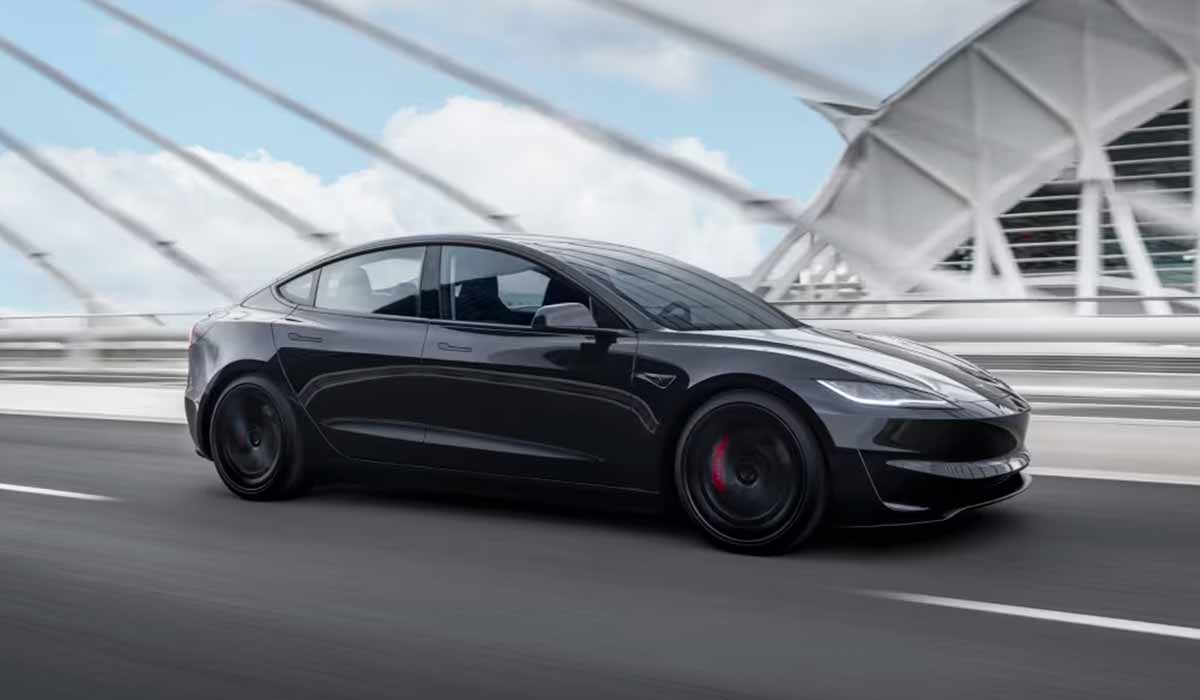
To get a real answer, I needed real-world data. I embarked on a 1,100-mile road trip in a rented example. This long-distance driving experience was my ultimate test.
Perspectives vary wildly. A four-year owner reports flawless reliability and fun. Other testers argue rivals have caught up, and the shine has faded. Who is right?
With new competitors and significant updates, now is the perfect time for a balanced review. Join me as we look beyond the hype and hate, from behind the steering wheel.
Key Takeaways
- The Tesla Model 3 revolutionized the electric car market and achieved massive sales.
- The recent Highland update focuses on improving refinement and build quality.
- Older models remain viable and affordable options on the used market.
- This review is based on a hands-on, long-distance road test experience.
- Opinions on current performance and appeal are divided between owners and reviewers.
- The 2024 EV landscape is more competitive, challenging its top position.
- A real-world evaluation cuts through marketing to assess true value.
My Mission: Finding Out If the Model 3 Still Reigns
To cut through the noise, I decided to put this electric sedan through an extreme real-world trial. My goal was to move past glossy spec sheets and marketing hype. I needed to feel what it's like to live with this famous vehicle day-to-day.
I rented a standard-range rear-wheel-drive example from Turo. My plan was ambitious: a 1,100-mile road trip from New York City to Niagara Falls and back. This three-day journey covered highways, backroads, and changing weather.
This grueling driving test was designed to answer critical questions. Could it handle long-distance comfort? Would range anxiety become a real problem? How would its daily usability hold up under pressure?
I also gathered insights from a long-term owner. Their perspective spans over four years and 18,000 miles of experience. This balanced view between a fresh test and seasoned ownership was crucial.
My mission focused on several key areas:
- Real-World Range: How close does real efficiency get to the EPA estimate?
- Charging Experience: Is the network advantage as good as they say?
- Comfort & Quality: Can you enjoy spending hours inside this car?
- Tech & Software: Do the smart features justify the minimalist approach?
Finally, I compared my findings in the pre-update model with the new "Highland" version. A colleague spent a couple of days with a dual-motor Highland tesla model equipped with Full Self-Driving. This let me see if Tesla's latest improvements are truly game-changers.
This hands-on, mile-crunching approach forms the core of my review. It's the most authentic way I know to answer if this iconic EV still deserves its crown.
Behind the Wheel: How the Tesla Model 3 Drives Today
My 1,100-mile journey began not on the open highway, but in the dense heart of city traffic. This is where any daily driver proves its worth. The immediate impression is one of agile precision.
Parking and weaving through tight streets feels effortless. This car has a small footprint, making it incredibly city-friendly.
Agile Handling and City-Friendly Manners
A low center of gravity and instant torque make this electric sedan feel planted. It darts into gaps with confidence. The steering is hefty and accurate, a real help in congested areas.
Some find that steering feel overly artificial, though. It's quick and direct but can lack organic feedback. You guide it more than feel the road.
The driving position is forward, offering a clear view over the hood. Rear legroom is surprisingly good for a compact sport sedan. This setup makes urban navigation a breeze.
On the open highway, the character shifts. Body control is sublime, and the chassis feels solid. Crosswinds and heavy rain barely unsettle its composure.
However, the suspension is stiffly sprung. While damping is excellent, sharp bumps transmit a brittle jolt into the cabin. Refinement takes a hit at higher speeds.
Wind and tire noise become noticeable past 65 mph. It's not a deal-breaker, but it reminds you this is a sporty, not a luxury, cruiser.
How does it stack up against legends like the BMW 3-series? It matches their athleticism in many ways. The tesla model excels in instant power and low-speed agility.
Yet, it falls short in tactile engagement and ride suppleness. Traditional sport sedans offer a more connected, analog driving experience.
Acceleration remains a major thrill. Even non-Performance models deliver brutally quick launches. This performance aspect is undeniable and exhilarating.
Overall, the driving test revealed a mix. You get exhilarating performance and great efficiency. This comes with some compromise in refinement and steering feel.
It’s a unique, digital-age take on the sport sedan. For many, that trade-off is perfectly acceptable.
Conquering Range Anxiety: A Real-World Charging Story
Numbers on a screen mean little until you're watching your battery percentage drop faster than the miles to your destination. My long road trip put every aspect of electric driving to the test. I learned that beating range fear comes down to three things: real-world efficiency, a reliable public network, and the home plug.
EPA Ratings vs. My Actual Miles Per kWh
My rented Standard Range car showed about 227 miles of predicted range at a 90% charge. The official EPA estimate is 272 miles. That gap got my attention right away.
Highway speeds are the main culprit. Driving 70-75 mph consumes more energy. Using climate control also has an impact.
My real-world consumption settled between 3.8 and 4.2 miles per kWh. This is solid efficiency. A long-term owner I spoke with averages 4.1 miles per kWh (or 249 Wh/mile). Their data confirmed my findings.
For context, the dual-motor Long Range version boasts an EPA range of 341 miles. More range provides a bigger buffer, but the same efficiency rules apply.
The Supercharger Network: A Lifesaving (and Stressful) Advantage
This is where Tesla's system shines. The navigation software plans your stops automatically. You just drive.
Using a Supercharger is brilliantly simple. You plug in, and the car starts charging. Payment happens seamlessly in the background.
Speed is impressive. At a 250 kW station, going from a low 10-20% battery to 80% takes about 20 minutes. That's perfect for a coffee and stretch break.
Coverage on my route was excellent. New York State alone has 92 Supercharger stations. I never worried about finding a place to plug in.
But I created my own stress. Once, I ignored multiple low-battery warnings. I decided to skip a planned stop. The navigation recalculated, frantically pointing me to a farther station.
I rolled in with just 2% remaining. It was a stark, self-inflicted lesson. Always trust the car's plan.
In very remote areas with poor cell service, that underlying anxiety can creep back. The network is vast, but you must respect the battery.
Why Home Charging Changes the Entire Game
The road trip story is one thing. Daily life is another. This is where owning an EV becomes fundamentally different.
My friend's data was revealing. Over four years, 83% of their charging happened at home. Only 16.6% was at public stations.
You wake up every morning to a "full tank." Range anxiety simply evaporates for daily commutes and errands.
The cost benefit is massive. Based on their logs, charging at home costs a few cents per mile. Gasoline costs three to four times more per mile.
For a potential buyer, understanding this trifecta is everything. Know your real range. Respect the public charging network. Most importantly, secure home charging.
Get this right, and you'll enjoy these vehicles for what they are: incredibly efficient and convenient electric cars.
Living With the Famous (or Infamous) Minimalist Interior
Stepping into the cabin for the first time feels less like entering a car and more like boarding a futuristic pod. The sheer emptiness of the dashboard is striking. Every traditional switch and dial is gone, replaced by a vast, monolithic screen and a steering wheel with blank buttons.
This design defines the entire ownership experience. You either embrace its stark philosophy or fight against it every day.
The Stark Beauty and Initial Shock of the Cabin
My initial reaction was pure awe, followed quickly by confusion. Where was the gauge cluster? How do I turn on the wipers? The lack of physical controls creates a genuine learning curve.
Passengers often need a quick tutorial. Simple acts like adjusting the air vents or opening the glovebox require screen taps. This interior prioritizes clean aesthetics over immediate intuition.
Some find this simplicity liberating. Others see it as needlessly complicated. One critic I respect called the entire setup "frustrating," with miserable seats. It's the most polarizing part of this car.
Quality and Materials: Has Tesla Improved?
Build quality has gotten better over the years. The 2022 model I tested felt tightly put together, with no rattles on my road trip.
A long-term owner praised the vegan leather seats. After four years, they show no wear and the cabin remains squeak-free. That's a strong endorsement for material durability.
However, not every surface feels premium. Certain plastics and trim pieces can seem disappointingly basic for the price. While improved, it doesn't match the plush, tactile feel of a luxury brand's interior.
The space itself is airy and modern. It just doesn't feel expensive in the traditional sense.
The Single-Screen Control Dilemma
That central display is the command center for everything. Driving modes, climate, audio, and even the windshield wipers are buried in menus. You manage core features through this one portal.
The steering wheel has haptic buttons for audio and cruise control. They lack any markings, so you memorize their locations. It feels futuristic but can be distracting until muscle memory develops.
Safety is a real concern. Adjusting basic settings while driving means taking your eyes off the road. Voice commands help, but they don't cover every function.
The new Highland update doubles down on this approach. It moves the gear selector to the screen, using a slider. Redundant buttons on the headliner are a backup, but the primary control is now digital.
This table highlights the fundamental shift in how you interact with the vehicle:
| Traditional Interior Approach | Minimalist Screen-Centric Approach |
|---|---|
| Dedicated physical buttons for common functions (climate, audio). | All functions integrated into a central touchscreen menu. |
| Immediate tactile feedback and muscle memory. | Clean, uncluttered dashboard aesthetic. |
| Lower visual distraction while driving. | Potential for higher distraction due to menu navigation. |
| Intuitive for first-time users. | Requires a period of adaptation and learning. |
| Gear selection via a physical stalk. | Gear selection via screen slider (in latest models). |
Living with this interior is an exercise in adaptation. You trade instinct for a sleek, digital command hub. For tech-forward drivers, it's perfect. For those who value analog simplicity, it can be a constant annoyance.
The cabin is a bold statement. It makes the tesla model feel like a device from the future, for better or worse.
Is the Tesla Model 3 Still the King? The Core Question
Crowning a champion in today's EV market is no longer about a single dominant model. My road test and living experience revealed a complex truth. This vehicle remains a brilliant, flawed icon.
Its enduring strengths are undeniable. Instant torque delivers thrilling performance. Real-world efficiency is impressive, often hitting 4 miles per kWh.
The software ecosystem feels years ahead. Over-the-air updates keep the experience fresh. Supercharger network coverage eliminates major road trip anxiety.
One source calls the older version a worthy gateway to electrification. It offers that quintessential feel at a lower used cost. Sprightly handling and instant torque give it plenty of character.
Yet, real weaknesses persist. Interior materials can feel basic for the price. Road and wind noise at highway speeds break the calm.
The minimalist control scheme is controversial. Relying on a single screen for vital functions creates distraction. Another source argues it's fundamentally good but has aggravating baggage.
With competitors now caught up, it's no longer the default choice. The answer depends entirely on what you prioritize.
For tech enthusiasts who love seamless software, it's a top contender. Buyers who value the vast Supercharger network will find immense peace of mind.
If you seek traditional luxury or tactile feedback, the crown has slipped. Hassle-free ergonomics and plush quietness are found elsewhere.
The "king" is now split among different models for different needs. Your perfect electric car depends on your personal checklist.
| Buyer Priority | Is This Model the Best Fit? | Key Reason |
|---|---|---|
| Cutting-Edge Tech & Software | Yes | Leading ecosystem with constant updates. |
| Road Trip Confidence & Charging | Yes | Supercharger network is a major advantage. |
| Traditional Luxury & Refinement | No | Ride quality and cabin noise lag rivals. |
| Tactile Controls & Simple Ergonomics | No | Screen-centric design has a steep learning curve. |
| Affordable Entry to Premium EVs | Yes (Used) | Older versions offer incredible value. |
This analysis sets the stage for detailed comparisons. Next, we'll dive into the tech that makes it unique and see how the new update changes the game.
Software & Tech: The Brain That Makes It a Tesla
Forget the horsepower figures. The most powerful feature is the one that updates itself while you sleep. This digital brain defines the entire ownership experience, turning a capable electric car into something that feels alive.
My long road test revealed how deeply software is woven into every part of the driving journey. From planning a trip to parking at the end, the screen is your constant co-pilot.
Navigating with the Brilliant Route Planner
The built-in navigation is a genuine game-changer for long distances. You simply enter a destination, and the system calculates everything.
It automatically adds Supercharger stops to your route. The software shows your predicted battery level upon arrival at each station. This intelligent planning demolished my range anxiety before the trip even began.
It saved me immense time and stress. I never had to manually search for chargers or wonder if I'd make it.
But it also assumed a lot of control. On one occasion, I ignored its advice to charge. The car recalculated frantically, directing me to a farther station. This was my fault, but it highlighted how reliant you become on this smart system.
Over-the-Air Updates: The Gift That Keeps on Giving
This is perhaps the most revolutionary ownership feature. Updates download overnight, constantly adding new features and refining old ones.
My colleague's vehicle received a major update that vastly improved its automatic parking system. Suddenly, a finicky part of the experience worked smoothly. It felt like getting a new car without a trip to the dealer.
This capability is a massive value proposition. Your vehicle's performance and efficiency can improve years after you buy it. Competitors are playing catch-up on this front.
Autopilot and FSD: Capable, But Is It King?
The driver-assistance suite is where opinions get heated. The basic auto-steer system reduces driver input on highways. It works well but requires your hands on the wheel.
Enhanced Autopilot adds automated lane changes and overtaking. In my test, it executed these maneuvers smoothly on clear interstates.
Full self-driving aims higher. It currently handles traffic lights and stop signs in city traffic. During a demonstration, it worked impressively most of the time.
However, it twice failed to recognize a sudden lane split. It also exhibited an aggressively sharp throttle application that felt jarring. These moments required immediate human intervention.
How does it compare to rivals like GM's Super Cruise? Tesla's system is more ambitious in scope. Super Cruise, on mapped highways, can feel more mature and trustworthy for hands-free operation.
Full self-driving is a fascinating test of machine learning. Yet, it demands vigilant supervision. It's not a relaxing chauffeur in complex urban environments.
This software depth is a key reason owners stay loyal. The controls and interfaces become second nature. For many, it makes other vehicles feel instantly outdated.
The tech suite isn't perfect. But its constant evolution creates a unique bond between driver and machine. That brainpower is what truly separates this icon from the crowd.
The "Highland" Update: What's Actually New and Improved?
The arrival of the Highland version marks the most significant evolution of this electric sedan since its launch. It's not a simple facelift. This new model represents a direct response to years of customer feedback.
My goal was to see if these changes are meaningful upgrades or just superficial tweaks. After spending time with both versions, the differences are substantial.
Some improvements are immediately welcome. Others are deeply controversial, doubling down on a minimalist philosophy.
Exterior Styling: A Sharper, More Premium Look
Park the old and new model side-by-side, and the updates are clear. The front end is pointier, with sharper, slimmer headlights.
This gives the car a more focused and modern appearance. The taillights are also redesigned, featuring a more upscale, intricate light signature.
Overall, the aesthetic is cleaner and less rounded. It looks more expensive and intentional.
These aren't just for show. The redesign likely contributes to aerodynamic efficiency. This can subtly benefit range and performance.
Tackling Noise and Refinement Issues
Road and wind noise were major gripes with earlier models. The Highland update directly attacks this problem.
Engineers added more soundproofing materials throughout the cabin. The suspension was revised for better damping over bumps.
The result is a noticeably quieter interior. On my test drive, highway miles were far more serene.
Sharp impacts from potholes are better isolated. It feels more like a premium sedan and less like a sporty go-kart.
This is a huge win for long-distance comfort. It addresses one of the oldest criticisms head-on.
Controversial Changes: Stalkless Steering and Screen Shifting
Here is where the update gets divisive. Tesla removed the traditional turn signal and gear selector stalks.
This decision pushes the minimalist ethos further than ever. You now operate turn signals with buttons on the steering wheel.
Selecting Drive, Reverse, or Park happens via a slider on the touchscreen. Redundant physical controls for gears are placed on the headliner.
The learning curve is real. For the first hour, I fumbled for missing stalks. My brain was wired to use them.
After a day, the button controls became more intuitive. It's a different muscle memory.
However, many drivers will find this change frustrating. It solves a problem that didn't exist for the sake of a clean look.
The steering wheel itself is a part of this new interface. It feels more integrated but demands adaptation.
Beyond the controversial bits, other features add genuine value. Ventilated front seats are a blessing in hot weather.
Ambient lighting softly illuminates the cabin at night, creating a more inviting atmosphere. These are tangible upgrades for daily comfort.
Build quality and material feel have taken a step forward. Panel gaps are tighter, and surfaces seem more consistent.
It still doesn't match a traditional luxury brand's opulence. The vibe is high-tech premium, not old-world luxury.
For shoppers, the choice between a new model Highland and a used pre-facelift car is interesting. This table highlights the key trade-offs:
| Feature | Highland (New) | Pre-Facelift (Used) |
|---|---|---|
| Cabin Quietness | Significantly improved with extra soundproofing. | More road and wind noise, especially at speed. |
| Control Scheme | Stalkless; buttons on wheel & screen for gears. | Traditional stalks for turn signals and gear selection. |
| Comfort Features | Includes ventilated seats & ambient lighting. | Lacks these premium comfort additions. |
| Exterior Design | Sharper, more modern front and rear lighting. | Original, more rounded aesthetic. |
| Value Proposition | Higher price, but with latest refinements. | Far lower cost for the core driving experience. |
Ultimately, the Highland update refines the package in crucial areas. It's quieter, sharper-looking, and adds nice features.
Yet, it also reinforces Tesla's commitment to a screen-centric future. This new model will please some and alienate others.
It makes a compelling case for itself against other new vehicles. The next year will show if these changes are enough to keep its crown.
Head-to-Head: How It Stacks Up Against the Competition
The real test of any vehicle's worth is how it measures up against its direct rivals on paper and the road. Today's market is packed with excellent electric cars. I compared this iconic sedan against its top challengers.
My goal was to see where it leads and where it falls behind. This analysis covers value, driving feel, and daily usability.
Tesla Model 3 vs. Hyundai Ioniq 6: The Value Challenger
Hyundai's Ioniq 6 is a stylish and efficient contender. The Limited AWD trim costs under $55,000. It offers an EPA range of 270 miles.
That's a strong number, but the Long Range AWD version of this sedan starts at $48,880. It boasts 341 miles of official range. On price and maximum distance, this model has a clear edge.
Where the Ioniq 6 fights back is interior quality. Its cabin uses more soft-touch materials. Physical buttons for climate and audio are present. This traditional layout feels more intuitive to many drivers.
The Ioniq 6 is also incredibly efficient. Its real-world range can match its EPA rating. Both cars offer thrilling acceleration.
For shoppers, the choice is philosophical. Do you want maximum range and tech integration? Or do you prefer a more conventional, plush cabin at a slightly higher price?
Tesla Model 3 vs. BMW i4 & Polestar 2: The Luxury Sport Sedans
Stepping into premium territory, the BMW i4 M50 and Polestar 2 are serious rivals. Both start near or over $60,000. You pay more, but you get a nicer interior feel.
The BMW i4's cabin is a masterpiece. It blends digital screens with classic BMW craftsmanship. The Polestar 2 has a minimalist, Scandinavian design. Both feel more upscale than the Tesla's spartan aesthetic.
Driving dynamics are fascinating. The BMW i4 delivers a more connected, analog steering feel. It's a true sport sedan with an electric heart.
The Polestar 2 is firm and planted. It offers a distinct, European tuning. This iconic sedan counters with sharper turn-in and lower weight.
Its instant torque still feels brutal. For pure straight-line performance, it's hard to beat. The others focus on a balanced, engaging drive.
These luxury EVs prove that electric cars can offer traditional premium experiences. They challenge the notion that tech alone defines a luxury car.
The Charging Advantage (For Now)
This is the trump card. Tesla's Supercharger network is vast and reliable. On my road trip, I never worried about finding a working station.
The plug-and-charge charging experience is seamless. Other networks can be fragmented and less dependable. This advantage is massive for frequent travelers.
But that gap is closing. Hyundai will gain access to Superchargers in late 2024. Other brands will follow. Within a year or two, this huge edge may level out.
For now, if cross-country confidence is your top priority, this network is a major reason to choose this brand. It's a practical benefit that outweighs many spec-sheet comparisons.
To simplify the decision, here's a breakdown of how these key vehicles compare:
| Vehicle | Starting Price (AWD) | EPA Range (AWD) | Key Strength | Key Compromise |
|---|---|---|---|---|
| Tesla Model 3 Long Range | $48,880 | 341 miles | Superior range & charging network | Minimalist interior with few buttons |
| Hyundai Ioniq 6 Limited | ~$54,000 | 270 miles | Excellent interior quality & value | Less range; charging network access pending |
| BMW i4 M50 | ~$69,000 | 270 miles | Luxury cabin & engaging driving dynamics | Significantly higher price |
| Polestar 2 Long Range | ~$58,000 | 276 miles | Distinct design & firm sporty ride | Tight rear seat space |
So, which model wins? It depends entirely on your personal checklist. If tech, range, and charging ease are top, this sedan remains king.
If you crave luxury materials and tactile controls, the Bavarian or Swedish options are compelling. For a balanced value proposition, the Korean challenger is impressive.
The competition has never been fiercer. That's great news for anyone shopping for a new electric car.
The Ownership Math: Price, Tax Credits, and Long-Term Costs
Let's talk numbers, because the value proposition extends far beyond the showroom floor. The true cost of any vehicle is a multi-year equation. You must factor in depreciation, insurance, energy, and maintenance.
Getting this math right is crucial for an informed purchase. My research and a long-term owner's data reveal where you save and where you might spend more.
New vs. Used: A Surprisingly Compelling Argument for Older Models
A brand-new rear-wheel-drive version has a starting price of $40,380. That's before any incentives. It's a significant investment for the latest tech and the Highland updates.
However, the used market tells a different story. Pre-facelift examples can be found for under $25,000. Some may even qualify for a $4,000 used-EV federal tax credit.
This creates a powerful financial case. You get the core tesla model experience—thrilling acceleration, great efficiency, and Supercharger access—at a much lower entry point. For many, this is the smartest buy.

Decoding the Federal and State EV Incentives
For a new model, the $7,500 federal tax credit is a game-changer. It's applied at the point of sale, directly reducing your financed amount or purchase price.
This effectively brings that $40,380 car down to around $32,880. It's a massive incentive that makes new electric cars more competitive.
State-level programs add another layer. Rebates can range from a few hundred to several thousand dollars. You must check your local rules, as they change frequently.
Combining federal and state credits can slash thousands off the final cost. This makes understanding the incentives a critical part of your shopping service.
Depreciation, Insurance, and the True Cost of "Fuel"
Depreciation is your largest expense. This brand has seen wild price swings, which hurt resale predictability. Yet, real-world data is revealing.
The long-term owner's car retained about 45% of its original value after four years. That's respectable, though not class-leading. Expect the biggest hit in the first year.
Insurance premiums tend to be higher. Repair costs and parts availability contribute to this. Shopping around for service from different providers is non-negotiable.
Now, for the good news: "fuel" costs. If you can charge home, savings are dramatic. The owner's data showed an average cost of just a few cents per mile.
Their real-world efficiency was about 4.1 miles per kWh. Over 17,500 miles, electricity cost them the equivalent of roughly $870. A comparable gasoline car would have cost around $4,100.
Public charging, especially at Superchargers, costs more. It's still cheaper than gas, but the real savings come from your home plug.
Maintenance is generally lower. There's no oil to change. You will still need tire rotations and replacements. Cabin air filter changes are a common service item.
This table breaks down the key cost components over a five-year period:
| Cost Category | Typical Characteristic | Pro-Tip |
|---|---|---|
| Depreciation | High initially; volatile due to manufacturer pricing. | Consider a used model to avoid the steepest first-year drop. |
| Insurance | Often higher than average for the segment. | Get multiple quotes before you buy. |
| Energy ("Fuel") | Very low with home charging; moderate with public use. | Installing a home charger maximizes long-term savings. |
| Routine Maintenance | Lower than gas cars; focuses on tires, brakes, cabin filters. | Budget for tire replacement, as instant torque wears them faster. |
The total cost of ownership picture is compelling for the right driver. If you drive many miles and charge home most of the time, the math works strongly in your favor.
If you rely on public networks and keep the car for only a couple of years, the financial benefits narrow. Understanding your own habits is the final, crucial variable in this equation.
The Good, The Bad, and The Quirky: A Quick Summary
Summarizing my extensive road test reveals a vehicle packed with brilliant strengths and frustrating flaws. After 1,100 miles, I formed a complete picture. This honest breakdown will help you see if its personality matches yours.
Every car has compromises. Here, I'll clarify exactly what you're signing up for with this popular EV.
What I Loved After 1,100 Miles
The instant torque never gets old. It provides seamless, brutal acceleration from any speed. This performance aspect is a constant thrill.
One-pedal driving is a game-changer. It makes stop-and-go traffic effortless. You barely touch the brake pedal after getting used to it.
The navigation and charging planning system is genius. It eliminated range anxiety by plotting my entire trip. Supercharger network reliability is an undeniable highlight.
Low running costs are a major win. Home charging saves a fortune compared to gasoline. Software updates feel like getting a new car for free.
These features create a compelling ownership experience. They are the core reasons people love this model.
What Drove Me Absolutely Nuts
Excessive wind and tire noise at highway speeds broke the calm. It was especially noticeable above 70 mph. This refinement issue wore on me during long stretches.
Touchscreen dependency for basic functions is frustrating. Adjusting wipers or climate requires taking eyes off the road. The lack of physical controls feels like a safety compromise.
Initial control confusion is real. The minimalist interior has a steep learning curve. Even simple tasks feel needlessly complicated at first.
Ride quality over sharp bumps is harsh. The suspension transmits a brittle jolt into the cabin. It reminds you this is a sporty setup, not a luxury cruiser.
Aggressive brake regeneration in one-pedal mode can nauseate passengers. The auto-brights were also overly sensitive, flashing at streetlights.
Quirks You'll Learn to Live With
You'll master tapping the key card on the B-pillar. Phone access is better, but the card is a handy backup. It feels like a secret handshake.
The lack of a dedicated instrument cluster becomes normal. You glance at the central screen for speed. Your brain adapts to this digital layout.
Automatic wipers have their own quirky behavior. They sometimes activate on a dry windshield. Other times, they're slow to respond in a downpour.
The "Chill" mode softens acceleration for a calmer drive. It's perfect for when passengers are feeling queasy. You'll learn the car's unique hums and whirs.
Voice commands for climate control become a habit. Muscle memory develops for the touchscreen's sweet spots. These quirks define the daily experience.
| Category | The Highlights (Good) | The Lowlights (Bad) | The Oddities (Quirky) |
|---|---|---|---|
| Performance & Driving | Instant torque, one-pedal driving, low center of gravity. | Harsh ride over bumps, noisy cabin at speed. | "Chill" mode, unique electric motor sounds. |
| Technology & Controls | Brilliant route planner, over-the-air software updates. | Screen dependency for basics, confusing initial setup. | Keycard access, no instrument cluster, finicky auto wipers. |
| Ownership Experience | Low running costs, reliable Supercharger network. | Aggressive regen can unsettle passengers. | Learning voice commands, developing new muscle memory. |
| Cabin & Interior | Spacious feel, modern aesthetic. | Material quality can feel basic for the price. | Minimalist design that polarizes, blank steering wheel buttons. |
This quick summary cuts to the chase. You get thrilling performance and smart tech. You also accept some noise and screen-heavy controls.
The quirks become part of the charm—or the annoyance. Your tolerance for them will decide if this is your perfect electric car.
Who Should (and Shouldn't) Buy a Tesla Model 3 in 2024?
The final piece of the puzzle isn't about specs, but about fit. After my long journey, I can tell you exactly who will love this car and who will find it a constant frustration.
This buyer's guide helps you self-select. It prevents a costly mismatch between your needs and the vehicle's unique character.
You are the perfect candidate if you adore cutting-edge tech. Over-the-air updates and a screen-focused interior should excite you, not intimidate you.
Secure home charging access is non-negotiable. It unlocks the greatest convenience and cost benefits. Without it, you miss the core experience.
Frequent road trippers will cherish the Supercharger network. It provides unmatched confidence on long journeys. This system is a major practical advantage.
If your budget is tight, look at the used market. Older models offer incredible value. You get the thrilling electric car feel for a much lower price.
Now, you should probably look elsewhere in a few key cases. Expecting a serene, library-quiet cabin will lead to disappointment. Wind and tire noise are still part of the deal.
Traditionalists who want physical buttons and knobs will struggle. The thought of using a screen for turn signals should not fill you with dread.
Buyers without reliable home charge access face hurdles. Relying solely on public stations changes the ownership math and convenience.
This table breaks down the ideal and mismatched profiles clearly:
| Buyer Profile | Verdict | Key Reason |
|---|---|---|
| Tech Enthusiast & Early Adopter | Should Buy | Thrives on software updates and minimalist interface. |
| Driver with Home Charging | Should Buy | Maximizes cost savings and daily convenience. |
| Frequent Road Tripper | Should Buy | Supercharger network provides essential travel confidence. |
| Budget-Conscious EV Shopper | Consider Used | Older models deliver core experience at a fraction of the new model cost. |
| Luxury & Serenity Seeker | Shouldn't Buy | Cabin noise and ride quality lag behind plush rivals. |
| Analog Controls Traditionalist | Shouldn't Buy | Screen-dependent steering and gear selection will frustrate. |
| Urban Dweller without Home Charging | Shouldn't Buy | Public charging reliance diminishes the primary ownership benefit. |
The right buyer will find this tesla model revolutionary. It offers a thrilling, efficient gateway into modern electric cars.
The wrong buyer will find its quirks overwhelming. Take this time to honestly match your lifestyle with what this car does best.
Final Thoughts From the Driver's Seat
Reflecting on every mile driven, a clear picture of this car's legacy and limitations emerges. My overall impression is a blend of admiration and frustration.
This tesla model remains a benchmark for electric performance, efficiency, and tech integration. The instant torque and agile handling still put a smile on my face. It delivers a quintessential experience.
However, competent rivals now match or exceed it in key areas. Interior quality and ride comfort are no longer unique strengths. The crown is fiercely contested.

Daily annoyances wore on me during the long test. The noisy cabin and fiddly touchscreen controls are constant reminders. These compromises in refinement are real for a car at this price.
The value proposition is strongest in the used market. Older models offer incredible savings. Taking full advantage of tax credits for new cars also helps the math.
My final thought is clear. This vehicle is a brilliant, flawed, and deeply influential electric car. It forced the entire industry to evolve over the years.
Whether it reigns supreme depends entirely on your personal checklist. Your weight on its unique pros and cons decides the verdict.
| Aspect | Final Verdict | Key Insight |
|---|---|---|
| Performance & Driving | Exceptional | Instant torque and agile handling provide thrilling engagement. |
| Technology & Software | Industry Leading | Smart navigation and over-the-air updates set a high bar. |
| Comfort & Refinement | Compromised | Noise and ride quality lag behind many newer rivals. |
| Ownership Value | Context-Dependent | Excellent when buying used or with incentives; weaker at full new price. |
| Overall Influence | Historic | Redefined expectations for electric cars and accelerated adoption. |
From the driver's seat, the joy of driving it is undeniable. Yet the package asks you to accept certain quirks. Your tolerance for them will shape your own experience.
Conclusion
My final analysis distills a thousand miles of experience into a straightforward recommendation. This electric sedan remains a dominant force, but rivals now offer compelling alternatives.
Its unbeatable range and vast charging network are huge advantages. Thrilling performance and impressive efficiency still define the drive.
However, cabin noise and minimalist controls are real compromises. Your personal tolerance decides the fit.
If you can charge at home and love tech, this car is hard to beat. A used model offers incredible value, avoiding a high new price.
Seek traditional comfort? Excellent EVs like the Hyundai Ioniq 6 now compete. This vehicle sparked a revolution. It may not sit alone on the throne, but it shaped the entire kingdom.