
We analyze Ray-Ban Meta vs. Ray-Ban Meta 2: What's New & Worth Upgrading?" to help you decide if the latest smart glasses are the right choice for your needs.
Have you ever wondered if your current eyewear is holding back your digital potential? Since their 2023 debut, these smart glasses have dominated the wearable market with over two million units sold globally. We have seen how this specific tech product shifted the way we capture memories and interact with digital assistants.

Now, the arrival of the second generation at a recent industry event forces a tough decision for many users. Should you invest in the latest upgrade or stick with the reliable original version? We are diving deep into the Ray-Ban Meta vs. Ray-Ban Meta 2: What's New & Worth Upgrading? debate to help you choose wisely.
Our professional analysis covers everything from battery life to enhanced camera quality. We examine if the new glasses offer enough value for your daily routine and creative needs. By comparing technical specs and real-world use, we ensure you find the perfect glasses for your specific budget.
Key Takeaways
- Understand the major differences between the two hardware generations.
- Evaluate the significance of the two million units sold milestone.
- Analyze how the updated camera and audio features impact daily use.
- Compare the pricing tiers to see which model offers better value.
- Determine if the latest AI integration justifies a new purchase.
- Gain expert insights into battery performance and long-term durability.
The Evolution of Ray-Ban Meta Smart Glasses
We trace the development of meta ray-ban smart glasses from their initial launch in 2023. At that time, they became the first product to successfully bring smart eyewear into the mainstream consumer market. With over two million units sold, these devices established a clear lead in the AI-powered wearable industry.
The original model proved that we were ready for wearable technology that prioritized style and design alongside high-end functionality. Unlike earlier, clunky gadgets, these glasses didn't compromise on the iconic aesthetic that modern consumers demand. Our review of the first generation highlights how Meta used real-world data to enhance the overall user experience.
Meta's strategic approach for the latest release focuses on targeted refinements rather than a complete redesign. We see a clear commitment to improving the hardware based on direct feedback. Our analysis shows that Meta prioritized the following areas:
- Resolving common user complaints gathered over the first lifecycle of the product.
- Preserving the classic Ray-Ban look while integrating more powerful internal technology.
- Implementing upgrades in specific areas where users felt the most frustration, such as audio and battery.
This evolution represents a significant shift from a niche gadget to a refined, everyday fashion tool. By listening to user feedback, Meta ensures that the newest version remains both fashionable and highly functional for long-term use.
Ray-Ban Meta vs. Ray-Ban Meta 2: What's New & Worth Upgrading? - Key Specifications at a Glance
Before diving into the details, let us examine how the two generations compare on a purely technical level. We believe that seeing the numbers side-by-side helps you decide which features matter most for your daily life.
The second generation brings a massive leap in video quality, offering 3K resolution for your stories. While both use a 12MP ultra-wide camera, the new model handles higher fps for smoother recording at 1080p.
We also see a major boost in the battery department. Users now get eight hours of runtime, which is double what the previous model offered in a single charge.
Both devices remain lightweight and stylish. They come in Wayfarer, Skyler, and Headliner frames to match your personal look. We appreciate the consistent use of the Snapdragon AR1 Gen 1 platform, which ensures strong performance for both iterations.
| Specification | Ray-Ban Meta Gen 1 | Ray-Ban Meta Gen 2 |
|---|---|---|
| Video Resolution | 1080p at 30/60 fps | 3K at 30 fps / 1080p at 60 fps |
| Battery Life | Up to 4 Hours | Up to 8 Hours |
| Charging Case | 32 Total Hours | 48 Total Hours |
| Device Weight | 48-50g | 50-53g |
| Internal Storage | 32GB | 32GB |
Camera and Video Capabilities Compared
Exploring the lens technology reveals why the second generation has become such a hit for creators. We spent time testing how each frame captures life from a first-person perspective. This innovative hardware allows us to document our daily lives without the inconvenience of holding a smartphone.
Video Recording Quality: 1080p vs. 3K Ultra HD
The biggest jump between generations lies in the recording resolution. While Gen 1 relies on standard 1080p, Gen 2 introduces stunning 3K Ultra HD at 30 fps. This change provides much higher quality and more vivid videos through ultrawide HDR. We can also switch to 1080p at 60 fps for a smoother recording scenario during fast activities.

Photography Performance and Resolution
Both models feature an ultra-wide camera setup with a generous 100° field of view. This wide angle ensures we capture more of the scene than a typical mobile lens. We found that the photos maintain a sharp camera resolution of 3024 x 4032 pixels on both devices. Whether you choose the original or the latest model, the still image output remains consistently impressive for hands-free captures.
Storage Capacity and Content Management
Each pair of glasses comes equipped with 32GB of internal storage for your media. This is enough space to hold roughly 500 photos videos (about 100 clips of 30 seconds each). We must use the Meta View app to move content to our mobile devices regularly. Meta also promised new software updates to enable hyperlapse and slow motion for better video results, ensuring your video library stays dynamic.
| Feature | Ray-Ban Meta (Gen 1) | Ray-Ban Meta (Gen 2) |
|---|---|---|
| Video Resolution | 1080p at 30/60 fps | 3K at 30 fps or 1080p at 60 fps |
| Photo Resolution | 12 MP (3024 x 4032 px) | 12 MP (3024 x 4032 px) |
| Storage Space | 32GB Internal | 32GB Internal |
| Field of View | 100° Ultra-Wide | 100° Ultra-Wide |
| HDR Support | Standard | Ultrawide HDR |
Battery Life: The Game-Changing Upgrade
We identify battery life as perhaps the most significant improvement between generations. Meta doubled the 4-hour limit of the first version to 8 hours in the second model.
This shift fundamentally changes the all-day usability of our smart glasses. We can now wear them from morning until evening without constant interruptions for power.
Gen 1 Battery Performance: 4 Hours and 32-Hour Case
The Gen 1 hardware includes a 160 mAh battery. It delivers up to four hours of mixed use on a single charge.
While this power is sufficient for casual daily trips, it often falls short during all-day events. The portable case provides 32 hours of total life for recharging on the go.
Gen 2 Battery Improvements: 8 Hours and 48-Hour Case
We analyzed the Gen 2 improvements that extend usage to 8 hours on a single charge. The enhanced case now provides 48 hours of total battery life.
This upgrade effectively eliminates charging anxiety for most users. Travelers and content creators benefit the most from this expanded capacity because they can record extensively throughout the day.
Real-World Battery Usage for Different Activities
Real-world performance varies by activity. One reviewer only experienced a single battery depletion during six months of Gen 1 use during a beach outing. Gen 2 increases this time significantly for heavy users.
Both models support fast charging to reach 50% capacity in just 20 minutes. This provides a quick power boost when you are in a hurry between meetings or events.
| Power Feature | Ray-Ban Meta (Gen 1) | Ray-Ban Meta (Gen 2) | Total Improvement |
|---|---|---|---|
| Single Charge Use | four hours | 8 hours | 100% Increase |
| Total battery life with case | 32 life Hours | 48 life Hours | 50% Increase |
| Audio Playback | 3.5 Hours | 5 Hours | 43% Increase |
| Fast charging (0-50%) | 20 Minutes | 20 Minutes | Same Speed |
Design, Build Quality, and Comfort Differences
Both generations of these smart glasses embrace a design philosophy that prioritizes a classic, non-tech look. We appreciate how the style remains timeless, ensuring the device looks like high-quality eyewear rather than a bulky gadget. This consistency means the physical improvements are subtle, preserving the aesthetic millions of buyers already love.
Frame Styles: Wayfarer, Skyler, and Headliner Options
We can choose from three distinct frames: the classic Wayfarer, the feminine Skyler, or the contemporary Headliner. These frames integrate a discreet camera on one side and a privacy LED on the opposite side. Each frame provides a balanced fit, and every frame supports prescriptions ranging from -6.00 to +4.00.
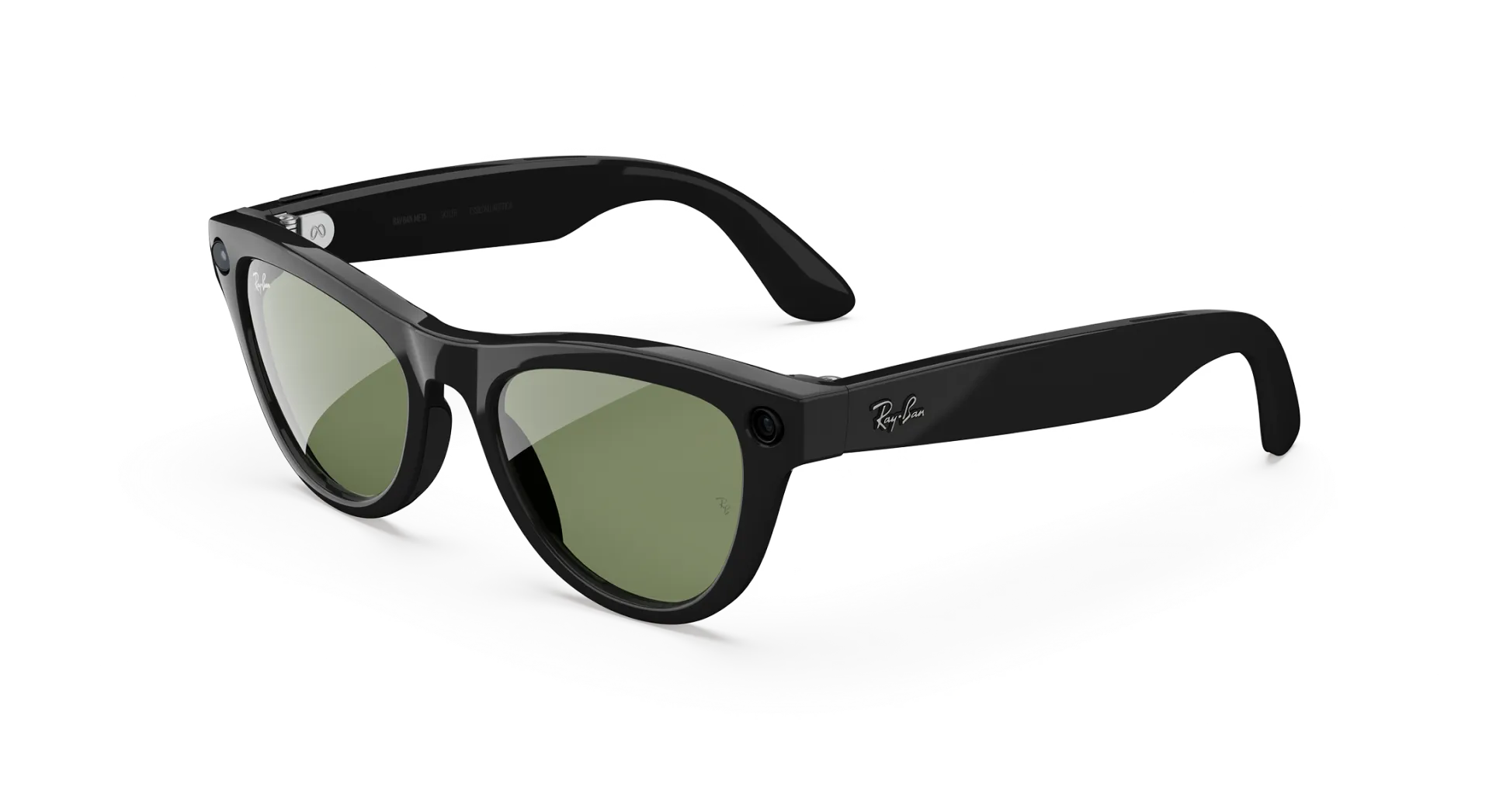
The frames are available in multiple colors with options for polarized or transition lenses. This variety allows us to customize the look to match our personal fashion preferences. Because the designs are virtually identical, the transition from older to newer models feels perfectly natural.
Weight Comparison and All-Day Wearability
The newer glasses range from 50-53 grams, while the originals weigh 48-50 grams. Even with this slight increase, we find the balance excellent for extended use. The lightweight construction and balanced distribution ensure they remain comfortable for all-day wear without causing fatigue.
Water Resistance Rating and Durability Features
Both models feature an IPX4 water-resistance rating, protecting them from splashes and light rain. We must avoid submerging them, but they easily handle sweat during active workouts. Conveniently, our glasses feature lenses that are fully interchangeable between generations, allowing us to reuse specialized optics if we upgrade the hardware.
Audio Features and Communication Technology
We have taken a deep dive into the audio technology that powers these stylish frames. Both generations rely on an open-ear design that lets us enjoy music while staying aware of our surrounding environment.
Speaker Performance: Volume and Sound Quality
Both models use two custom-built open-ear speakers to direct audio to your ears. Meta claims the second-generation speakers are up to 50% louder with significantly richer bass and improved directionality.
While these specs suggest a massive leap, real-world testing tells a slightly different story. Many reviewers found that when playing music, both generations of speakers actually sound nearly identical in daily use.
Five-Microphone Array and Call Clarity
For communication, we see a sophisticated five-microphone array integrated into both frames. This setup ensures that your voice remains crisp during a phone call, even in windy conditions.

The advanced array also records immersive audio for video content. It helps isolate your voice from background noise, making it a reliable tool for a hands-free phone experience during busy commutes.
| Audio Component | Ray-Ban Meta Gen 1 | Ray-Ban Meta Gen 2 |
|---|---|---|
| Speaker System | 2 Custom Open-Ear | 2 Custom Open-Ear |
| Microphone Array | 5-Mic System | 5-Mic System |
| Audio Enhancement | Standard Volume | 50% Louder Bass |
| Privacy Feature | Standard Leakage | Reduced Sound Leakage |
Conversation Focus: The Upcoming Audio Enhancement
A standout software feature arriving soon for both generations is Conversation Focus. This update uses the microphone array to amplify the voice of the person standing directly in front of you.
It will prove incredibly valuable for those wearing prescription lenses in busy cafes or parks. By suppressing ambient noise, these glasses become a tool for enhanced social interaction in crowded public spaces.
Meta AI Integration and Software Features
Beyond the hardware, the digital ecosystem and artificial intelligence capabilities define how we use these glasses daily. Both generations use the powerful Qualcomm Snapdragon AR1 Gen 1 platform to drive their smart capabilities. This common foundation ensures we receive consistent software updates regardless of the frame style we choose.
Shared AI Capabilities Across Both Generations
We appreciate that Meta provides identical AI functionality to both models. This means Gen 1 owners do not miss out on new features just because they own older hardware. The upgraded assistant offers a more natural conversational flow during our daily tasks.
We can now ask questions about the specific objects, scenes, or text the camera sees in real-time. This allows us to identify famous landmarks or learn about products while walking through the city. These smart tools make our surroundings more interactive and informative than ever before.
Live Translation with Expanded Language Support
The real-time translation feature represents a massive leap forward for international travelers. This software update allows the glasses to translate speech directly through the open-ear speakers. We simply listen as the AI converts foreign sentences into our preferred language instantly.
We see the library of supported languages growing to include German, Portuguese, and several others. This translation tool helps us navigate foreign cities and hold conversations with people from different backgrounds. It turns a pair of stylish glasses into a powerful communication bridge.
Future Software Updates and Longevity
Continuous software enhancements ensure the long-term value and longevity of our investment. We must pair both models with the Meta View app on a mobile device to access these tools. This process requires us to link a personal account, which handles all our media syncing and setting preferences.
The latest improvements also include Conversation Focus to amplify voices in crowded environments. We expect more translation options and smarter visual recognition to arrive through future patches. This commitment to both generations means our hardware remains relevant and useful for years to come.
| Software Capability | Generation 1 Support | Generation 2 Support |
|---|---|---|
| Meta AI Voice Assistant | Full Support | Full Support |
| Real-Time Translation | Included | Included |
| Visual Search (Look & Ask) | Enabled | Enabled |
| Meta View App Sync | Required | Required |
Pricing Analysis and Value Proposition
We must analyze the specific costs of both models. This helps us see which version offers the best value. Standard Ray-Ban sunglasses typically retail for around $200, so adding smart technology increases the total investment.
Current Pricing for Gen 1 and Gen 2 Models
The Ray-Ban Meta Gen 1 usually sells for $300 in the United States. In contrast, the lowest price for the newer model is approximately $379. Regional differences also exist, as seen in India where Gen 1 starts at Rs. 29,900 and Gen 2 launches at Rs. 39,900.
Some retailers offer a 25% discount on the older gen model while supplies last. This makes the entry point very attractive for budget-conscious buyers. However, stock availability varies greatly by frame style and color.
| Model Type | Starting Price (USD) | Starting Price (INR) |
|---|---|---|
| Ray-Ban Meta Gen 1 | $300 | Rs. 29,900 |
| Ray-Ban Meta Gen 2 | $379 | Rs. 39,900 |
| Standard Ray-Bans | $200 | Varies |
Additional Costs for Lens Customization
Every pair comes with a specialized charging case to keep your device ready. However, your final price will depend heavily on specific lens selections. Upgrading to polarized or transition lenses that darken in sunlight adds to the base cost.
For casual use, the smaller markup over standard glasses makes the first generation a solid entry point. Serious content creators might prefer to pay the higher price for improved camera performance. We suggest checking specific retailer listings for the best current deal on these smart glasses.
Who Should Buy Ray-Ban Meta Gen 1?

Deciding whether to buy Ray-Ban Meta Gen 1 smart glasses often comes down to your specific needs and budget. We find that the original model still serves as a reliable and stylish choice for many newcomers. These glasses provide a solid entry point into wearable tech without the premium cost of the latest hardware.
Budget-Conscious Buyers Seeking Value
We identify budget-conscious buyers as the primary audience for the first generation. At the $300 price point, these smart glasses deliver substantial value for those who want to test the technology. This investment allows you to experience AI features and audio integration without a massive financial commitment.
Some retailers currently offer 25% discounts while supplies last, potentially dropping the price to approximately $225. We believe this makes the value proposition even more compelling for users on a strict budget. It is an excellent way to see how often you actually utilize wearable sensors in your daily life.
Casual Users and Light Content Creators
We describe the ideal casual user as someone who plans to capture occasional photos and short video moments. If you do not require professional-grade content for a large following, the 1080p camera quality remains quite respectable. It works perfectly for sharing memories with friends or family on social media.
The four-hour battery life proves adequate for daily commutes, music playback, and hands-free phone calls. We recommend this model for users who value simplicity and basic functionality over all-day recording sessions. It remains a practical tool for light, everyday use in various environments.
Stock Availability Considerations
We must address the reality that Gen 1 inventory is becoming limited at many major retailers. You may find that your preferred frame style or specific color is no longer in stock as the manufacturer shifts focus. If you have a specific look in mind, we suggest acting quickly before the remaining units disappear.
Limited frame availability might eventually push some buyers toward the second generation by default. However, if you can find your size, the savings are often worth the search. We encourage buyers to check local listings to secure these original frames before they are gone forever.
Who Should Buy Ray-Ban Meta Gen 2?
Choosing to buy Ray-Ban Meta Gen 2 smart glasses is a strategic decision for our power users. We believe this version is the right choice for those who need top-tier media and longevity. This latest generation represents a significant leap in overall performance.
Serious Content Creators and Video Enthusiasts
We recommend this model for those who want to produce professional content. With 3K video recording and 60fps capability, these smart glasses capture smooth, crisp videos. This hardware is essential for sports and high-quality social media video posts or YouTube videos.
All-Day Users Who Need Extended Battery Life
We see massive value for people who use their gear from morning until night. The improved battery life offers up to 8 hours of active runtime, which is double the original model. It is the perfect life companion for travel when you don't have time to charge.
First-Time Buyers Looking to Future-Proof
We believe newcomers should invest in the latest tech to ensure their device remains useful. The powerful hardware will likely support future AI features that older models cannot handle. Investing a little more now guarantees a longer product lifespan and better software updates over the years.
Should Current Gen 1 Owners Upgrade to Gen 2?
If you already own the first-generation frames, the $379 question is whether the latest updates are worth the cost. We must decide if these features improve your daily life or just provide minor perks. Many owners feel torn between staying with their reliable hardware and jumping to the newest tech to stay current.
Compelling Reasons to Make the Upgrade
The most compelling reason to upgrade is the massive jump in power. You move from four hours of use to eight. This doubled battery life allows for all-day recording without constant charging stress during long trips or events.
For serious creators, the sharp video resolution is a major win over the old 1080p. The gen 2 hardware captures much finer details during your travels. This makes your social media content look significantly more professional and polished.
Valid Reasons to Keep Your Gen 1 Glasses
However, many owners may find that their first version glasses still perform well enough for basic needs. If you mainly use your device for audio or hands-free calls, the camera improvements might not feel like a necessary expense. We suggest keeping your current pair if you are happy with the performance and want to save your money.
One reviewer noted that in six months of testing the original smart glasses, there was only one day where the battery died.
Since the device still focuses on vertical capture, your phone remains the primary tool for cinematic horizontal clips. For casual users, the incremental change in video quality might not justify a brand-new purchase today. You might prefer to wait for a third generation that offers a more revolutionary leap in design.
| Decision Factor | Gen 1 Experience | Gen 2 Upgrade Value |
|---|---|---|
| Power Capacity | 4-Hour Run Time | 8-Hour Endurance |
| Visual Quality | 1080p Standard | Ultra HD 3K Resolution |
| Case Charging | 32 Total Hours | 48 Total Hours |
| Primary Use | Casual & Audio | Heavy Content Creation |
Conclusion
Our final review shows that while both generations excel, the latest version offers the most future-proof experience. For most new buyers, the second generation is the clear choice. These smart glasses deliver meaningful improvements in areas that matter most to users today.
We believe the meta ray-ban line remains the gold standard for wearable tech. This product balances iconic style with high quality video and audio performance. If you record at high fps often, the upgrades justify the cost for better visual clarity.
Existing owners should check their daily charging habits and case usage before deciding to switch. A casual person might find the original glasses perfectly fine for music and light notifications. However, if you need every new feature, the latest upgrades are vital for your workflow.
Our review suggests making a choice in minutes if you find a sale online. You can secure your glasses before limited stock disappears from major retailers. Regular software updates mean your glasses will stay relevant and useful for a long time.
This concludes our review of the lineup. Spend a few minutes checking current stock and a few minutes more picking the frame style that suits your face.