
Comprehensive Morocco Awaits travel guide review for US travelers. Discover if this guide covers the best places, itineraries, and tips for your Morocco trip.
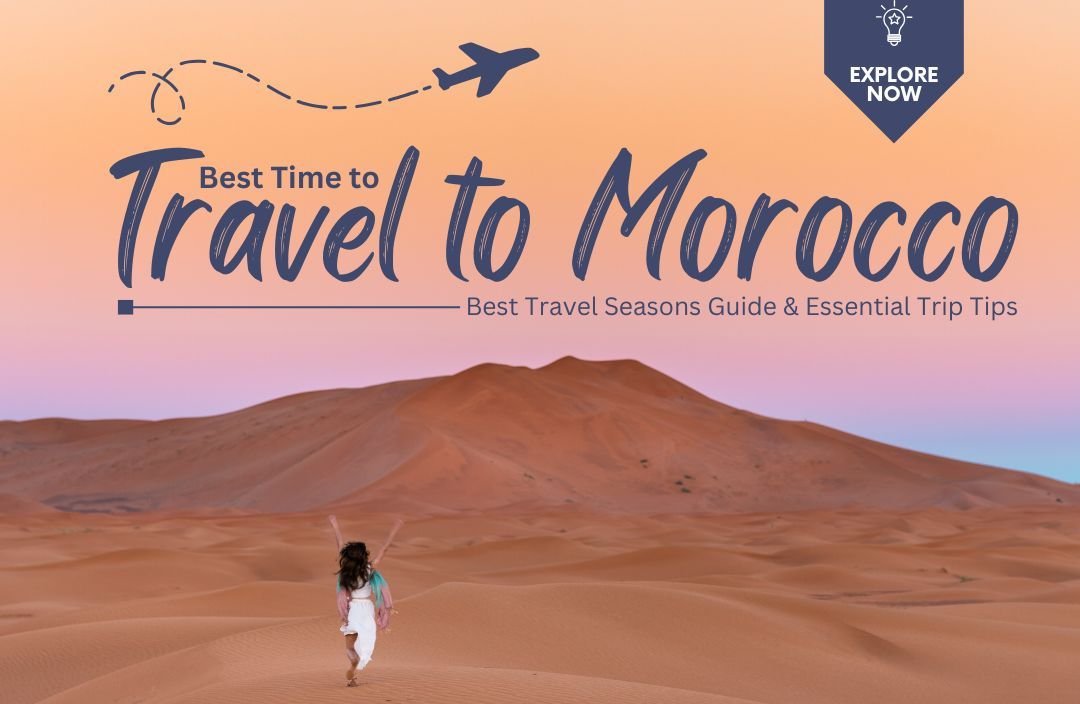
Planning a trip to Morocco can feel overwhelming. Between navigating the vibrant medinas, organizing Sahara Desert excursions, and understanding cultural customs, many US travelers struggle to create a cohesive itinerary. That's where "Morocco Awaits: The Ultimate USA Traveler's Guide to the Best Places in Morocco" comes into the picture.
This comprehensive Morocco Awaits travel guide review examines whether this resource truly delivers on its promise to simplify trip planning for American travelers. We'll explore its coverage of must-see destinations, evaluate its practical advice, and determine if it's worth adding to your travel preparation toolkit.
What This Review Covers
- Detailed analysis of guide structure and organization
- Coverage of Morocco's top destinations and hidden gems
- Evaluation of US-specific travel advice and logistics
- Assessment of practical tips for hotels, tours, and transportation
- Comparison with free online resources
- Final verdict on whether this guide suits your travel needs
Overview of Morocco Awaits Travel Guide
"Morocco Awaits: The Ultimate USA Traveler's Guide to the Best Places in Morocco" positions itself as a specialized resource designed specifically for American tourists. Unlike generic guidebooks, this travel guide focuses on addressing the unique concerns and questions US travelers face when planning their Morocco journey.

The guide spans comprehensive coverage of Morocco's diverse landscapes, from the bustling streets of Marrakech to the serene High Atlas Mountains. Each section provides context that helps travelers understand not just where to go, but why these destinations matter and how to experience them authentically.
Structure and Organization
The book organizes content into logical sections that mirror how most travelers plan their trips. It begins with essential pre-departure information, including visa requirements, flight options from major US cities, and cultural preparation tips. This foundational knowledge helps travelers feel confident before they even book their tickets.
Subsequent chapters break down Morocco by region and city. Each destination receives dedicated coverage that includes historical context, must-see attractions, recommended hotels, local food experiences, and practical logistics like transportation between sites.
Geographic Coverage
- Imperial Cities (Marrakech, Fes, Meknes, Rabat)
- Coastal regions (Casablanca, Essaouira, Tangier)
- Mountain areas (High Atlas Mountains, Middle Atlas)
- Desert regions (Sahara Desert, Erg Chebbi)
- Lesser-known gems (Chefchaouen, Ait Benhaddou)
Practical Sections
- Sample itineraries (7, 10, and 14-day trips)
- Budget planning and costs
- Transportation guides (flights, trains, private drivers)
- Accommodation recommendations
- Food tour suggestions and restaurant lists
- Cultural etiquette and customs
Understanding Morocco: Essential Background
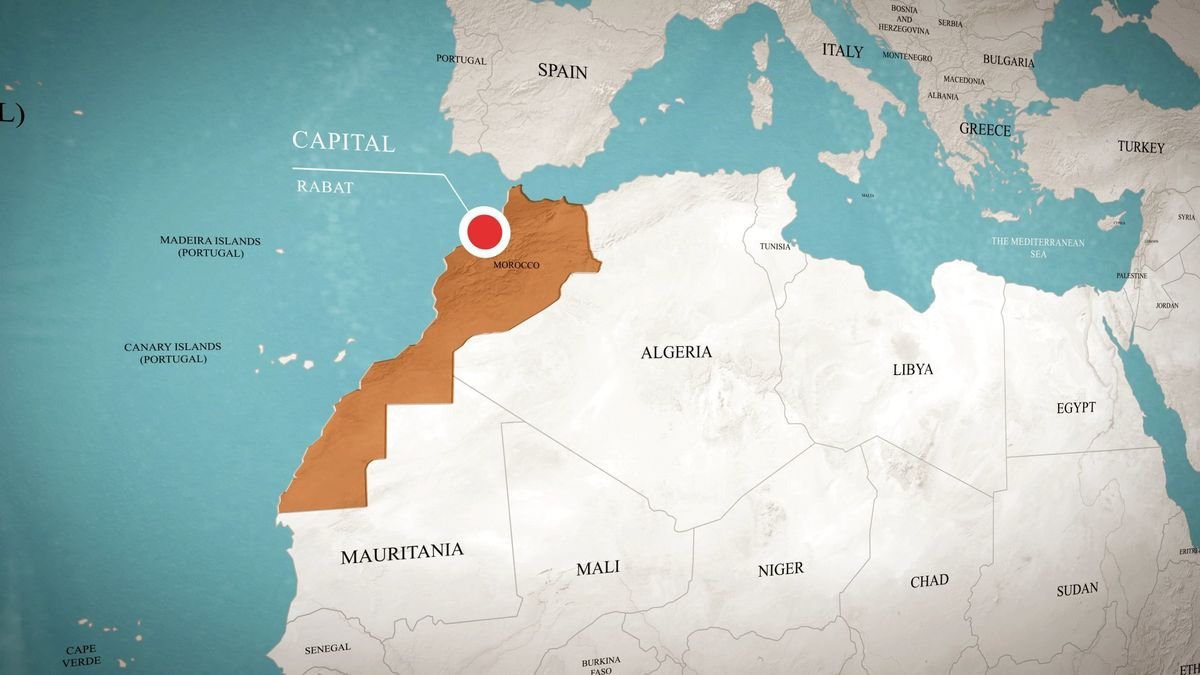
Before diving into specific destinations, the guide provides valuable context about Morocco as a country. Located in North Africa, Morocco offers a unique blend of Arab, Berber, African, and European influences that create its distinctive culture and appeal to travelers worldwide.

Geographic and Cultural Diversity
Morocco's geography varies dramatically, from Mediterranean and Atlantic coastlines to mountain ranges and desert expanses. The Atlas Mountains divide the country, with the High Atlas range containing North Africa's highest peaks. This geographic diversity means travelers can experience beach relaxation, mountain trekking, and desert adventures all within one trip.
The country's population of approximately thirty-seven million people represents a rich cultural tapestry. Arabic and Berber serve as official languages, while French maintains widespread use in business and tourism. This multilingual environment generally works in favor of English-speaking travelers, as many people in tourist areas speak multiple languages.
Did You Know? Morocco was the first country to recognize United States sovereignty in seventeen seventy-seven. The Moroccan-American Treaty of Friendship, signed in seventeen eighty-six, remains the longest unbroken treaty in US history.
Climate and Best Travel Times
Morocco experiences varied climate zones. Coastal areas enjoy mild Mediterranean weather, while inland cities can reach extreme temperatures in summer. The guide dedicates significant attention to seasonal considerations, helping travelers choose the best time for their specific interests and tolerance for heat.
Spring (March through May) emerges as the ideal period for most travelers. The weather stays pleasant across regions, prices remain reasonable outside peak summer, and the landscape blooms with vibrant colors. Fall (September through November) offers similar advantages, with harvest season adding extra cultural experiences.
Key Destinations Covered in the Guide
The Morocco Awaits travel guide review reveals exceptional coverage of the country's most compelling destinations. Each location receives detailed treatment that goes beyond surface-level tourist information to provide cultural context and insider tips.

Imperial Cities: Morocco's Historical Heart
Marrakech receives extensive coverage as Morocco's most popular tourist destination. The guide walks readers through the famous Jemaa el-Fnaa square, explaining the sensory experience and providing tips for navigating the lively atmosphere. It recommends specific times to visit the square and suggests nearby rooftop cafes where travelers can observe the action from above.
The Marrakech section highlights the Hassan II Mosque, one of the few mosques in Morocco that non-Muslims can enter. Practical details about tour times, dress codes, and what to expect inside help travelers prepare for this architectural marvel. The guide also suggests combining the mosque visit with exploration of the nearby Old Medina.
Fes, Morocco's cultural and spiritual center, receives similarly thorough treatment. The guide acknowledges that Fes el-Bali (the old medina) can feel overwhelming, then provides strategies for navigating its narrow alleys. It recommends hiring a local guide for the first day to gain orientation, then exploring independently with the detailed maps included in the book.
Atlas Mountains Adventures
The High Atlas Mountains section stands out as particularly valuable for adventure-oriented travelers. The guide describes multiple trekking options, from gentle day hikes to multi-day expeditions. It provides realistic fitness assessments for each route and suggests which seasons offer the best conditions.

Ait Benhaddou, the UNESCO World Heritage Site made famous by numerous Hollywood films, receives dedicated attention. The guide explains the site's historical significance as a fortified village along ancient trade routes. It provides photography tips for capturing the stunning earthen architecture and suggests the best time of day for visits to avoid crowds and harsh light.
For travelers interested in experiencing Berber culture, the guide recommends several mountain villages where authentic homestays offer immersive cultural experiences. It sets appropriate expectations about comfort levels while emphasizing the rich cultural exchange these experiences provide.
Sahara Desert Experiences
Desert excursions represent a highlight for many Morocco travelers, and the guide dedicates substantial space to helping readers plan these adventures. It explains the differences between various desert regions, with Erg Chebbi near Merzouga emerging as the most accessible option for first-time visitors.
The camel trekking section provides candid advice about what to expect. While romanticized in travel marketing, camel rides can prove uncomfortable. The guide suggests alternatives like four-wheel-drive vehicles for reaching desert camps, allowing travelers to enjoy sunset and sunrise in the dunes without extended camel riding.

Desert camp recommendations range from basic Berber-style tents to luxury glamping experiences. The guide honestly assesses each option's amenities, helping travelers choose accommodations matching their comfort requirements and budget. It emphasizes that even basic camps provide magical stargazing opportunities and authentic desert experiences.
Coastal Gems and Blue City
Essaouira receives praise as an ideal coastal stop. The guide describes this Atlantic port city as more laid-back than Marrakech, with excellent seafood, beautiful beaches, and a walkable medina. It suggests Essaouira as a perfect place to decompress during multi-city trips, with recommendations for specific beachfront restaurants and art galleries.
Chefchaouen, Morocco's famous blue city nestled in the Rif Mountains, gets thorough coverage despite its smaller size. The guide explains the city's photogenic appeal while warning that it can feel touristy during peak season. It recommends visiting in early morning or late afternoon when day-trippers depart, allowing for more peaceful exploration of the blue-washed streets.
Evaluating US-Specific Travel Advice
What sets "Morocco Awaits" apart from generic guidebooks is its deliberate focus on American travelers' specific needs and concerns. This Morocco Awaits travel guide review found this specialization particularly valuable, as it addresses questions other resources often overlook.
Flights and Entry Requirements
The guide provides detailed information about direct and connecting flights from major US cities. It notes that while no US carriers currently fly directly to Morocco, several European and Middle Eastern airlines offer convenient connections through their hubs. Specific routing suggestions help travelers compare options for their departure cities.
Entry requirements receive clear explanation. US citizens can visit Morocco visa-free for up to ninety days, a straightforward process that simply requires a valid passport with six months remaining validity. The guide walks through customs procedures and what to expect upon arrival at Moroccan airports.
Flight Considerations
- Typical connection cities (Paris, Madrid, Istanbul, Dubai)
- Average flight times from East and West Coast
- Best times to book for value
- Airlines with good US-Morocco service
The guide emphasizes booking international flights early, typically six to eight months before travel, to secure better prices. It also suggests considering shoulder season travel in spring or fall for both flight savings and more comfortable weather conditions throughout the country.
Money and Budgeting
Currency exchange and budgeting sections speak directly to American travelers. The guide explains the Moroccan dirham and provides current exchange rate context, though it wisely advises checking rates before travel. It recommends bringing US dollars for exchange rather than trying to obtain dirhams before departure, as rates in Morocco typically prove more favorable.
Budget breakdowns help travelers plan realistically. The guide categorizes expenses into budget, mid-range, and luxury options across hotels, meals, and activities. For a ten-day trip, it suggests Americans budget between two thousand to six thousand dollars per person depending on travel style, not including flights.

Health and Safety Guidance
Health recommendations address common American concerns. The guide confirms that no special vaccinations are required for Morocco, though it suggests travelers ensure routine immunizations stay current. It provides practical advice about food and water safety, recommending bottled water while noting that food poisoning risks remain relatively low in established restaurants.
Safety information strikes a balanced tone. While Morocco generally welcomes tourists safely, the guide addresses common scams in tourist areas and provides strategies for avoiding them. It explains that hustlers may approach tourists offering guide services or directing them to shops that pay commissions, but a polite but firm "no thank you" typically ends the interaction.
Practical Trip Planning Resources
Beyond destination coverage, the guide excels at providing actionable planning tools. These resources transform the book from informative reading into a practical trip-planning companion that travelers can reference throughout their journey.
Sample Itineraries
Three comprehensive sample itineraries cater to different trip lengths. The seven-day itinerary focuses on highlights, combining Marrakech, Ait Benhaddou, and the Sahara Desert into a manageable route. This condensed trip works well for travelers with limited vacation time who want to experience Morocco's essential elements.
The ten-day itinerary adds Fes and Chefchaouen, allowing for a more relaxed pace and broader geographic coverage. This route includes time in the High Atlas Mountains for hiking or cultural experiences in Berber villages. Most American travelers find this duration ideal for experiencing Morocco's diversity without feeling rushed.

The fourteen-day itinerary encompasses more comprehensive exploration. It incorporates coastal stops like Essaouira, extends time in the Atlas Mountains, and includes lesser-visited cities. This extended trip allows travelers to develop a deeper understanding of Morocco's regional variations and cultural richness.
Each itinerary includes day-by-day breakdowns with suggested activities, approximate driving times, and recommended stops along the way. The guide acknowledges these serve as starting points for customization based on individual interests and travel style.
Accommodation Recommendations
Hotel and riad recommendations span budget ranges. The guide explains that riads—traditional Moroccan houses converted into guesthouses—offer authentic experiences in medina locations. It provides specific riad recommendations with honest assessments of their amenities, locations, and price points.
Budget Options
The guide lists clean, safe budget hotels and hostels averaging thirty to sixty dollars per night. It notes that budget accommodations in Morocco often exceed expectations compared to similar prices in Western countries.
Mid-Range Choices
Mid-range recommendations typically fall between eighty and one hundred fifty dollars per night. These properties offer comfortable rooms, often in renovated riads with rooftop terraces and included breakfast.
Luxury Properties
Luxury options include boutique hotel experiences and renowned properties like La Mamounia in Marrakech. The guide helps justify splurges by explaining which properties offer truly exceptional experiences worth the premium pricing.
Transportation Between Cities
Getting around Morocco receives detailed treatment. The guide explains that while Morocco has decent train service connecting major cities, many interesting destinations require road travel. It compares options including rental cars, private drivers, and organized tours.
For travelers considering self-driving, the guide provides candid assessment. While rental cars offer flexibility, driving in Morocco presents challenges. Medina navigation proves difficult even with GPS, and rural mountain roads can test driving skills. The guide suggests private drivers as a middle ground—more expensive than self-driving but less stressful and often surprisingly affordable when split among multiple travelers.
The Morocco Awaits travel guide review found the transportation section particularly helpful because it doesn't push one option as universally best. Instead, it helps readers assess which approach fits their comfort level, budget, and itinerary.
Food, Culture, and Authentic Experiences
Morocco's rich culinary traditions and cultural experiences receive enthusiastic coverage throughout the guide. These sections help travelers move beyond tourist-focused activities to genuine cultural engagement.

Moroccan Cuisine Guide
The food section goes beyond listing restaurant recommendations to educating readers about Moroccan cuisine. It explains signature dishes like tagine, couscous, and pastilla, helping travelers understand what they're ordering and what flavors to expect. This context enhances dining experiences by adding cultural understanding to each meal.
Food tour suggestions appear throughout destination chapters. The guide recommends specific local restaurants, food stalls, and markets where travelers can experience authentic Moroccan cooking. It notes that lunch often represents the main meal in Moroccan culture, making midday the ideal time for substantial traditional dishes.
Street food receives appropriate attention. The guide identifies safe, delicious street food options while providing guidance about which items might challenge sensitive stomachs. It encourages trying local foods while respecting individual comfort levels with adventurous eating.
Cultural Etiquette and Customs
Understanding cultural norms helps travelers navigate Morocco respectfully. The guide explains Islamic customs that influence daily life, including prayer times, Ramadan observances, and modest dress expectations. It clarifies that Morocco maintains relatively liberal attitudes compared to some Muslim countries, but respect for local customs still matters.
Tipping culture receives specific guidance. Unlike the United States, tipping in Morocco follows different expectations. The guide provides general rules for different services—restaurants, hammams, drivers, guides—helping travelers budget appropriately and show appreciation without over- or under-tipping.
Cultural Tips for US Travelers
- Dress modestly, especially when visiting religious sites
- Ask permission before photographing people
- Use right hand for eating and handshakes
- Remove shoes when entering homes or certain establishments
- Learn basic Arabic or French greetings
- Respect prayer times and religious observances
Markets and Shopping
Souks (traditional markets) feature prominently in Moroccan cities, and the guide prepares travelers for these vibrant shopping experiences. It explains that haggling is expected and provides strategies for negotiating prices respectfully. Starting at roughly half the initial asking price typically works as a baseline, though the guide encourages viewing haggling as playful negotiation rather than confrontation.
Shopping recommendations focus on authentic Moroccan crafts rather than mass-produced tourist items. The guide identifies quality indicators for popular purchases like carpets, leather goods, argan oil, and ceramics. It suggests specific cooperatives and workshops where travelers can watch artisans at work and purchase directly from makers.
How Morocco Awaits Compares to Free Resources
With abundant free travel information online, potential readers might question whether purchasing a dedicated guide makes sense. This Morocco Awaits travel guide review addresses this valid concern by examining what the book offers beyond free resources.

Curation and Organization
The guide's primary value lies in thoughtful curation. While travelers can find individual pieces of information online through blogs, forums, and websites, assembling this scattered data into a coherent trip plan requires significant time and research. The book consolidates this information into organized, logical sections that support efficient planning.
Online resources often contradict each other or reflect specific traveler biases. One blogger might love Marrakech while another finds it overwhelming. The guide balances these perspectives, presenting multiple viewpoints while helping readers determine which experiences align with their preferences.
US-Specific Focus
Most online travel resources take a generic international approach or focus on European travelers. This guide's specific attention to US traveler concerns—flight routing from American cities, US dollar budgeting, comparisons to American experiences—provides unique value that free resources rarely match.
The guide also addresses practical matters that online resources may overlook. Questions about electrical adapters, phone service options, travel insurance considerations, and other logistics receive straightforward answers tailored to American travelers' situations.
Advantages Over Free Resources
- Comprehensive coverage in organized format
- Offline accessibility during travel
- US-specific advice and context
- Consistent editorial voice and perspective
- Detailed maps and visual references
- Vetted, reliable recommendations
- Time-saving consolidated research
Limitations vs. Online Resources
- Static content without real-time updates
- Cannot cover every possible destination
- Limited reader reviews and feedback
- Requires upfront purchase investment
- Less detailed than ultra-specific blogs
Time Value Consideration
Perhaps the strongest argument for purchasing the guide relates to time investment. Planning a comprehensive Morocco trip through free online resources might require twenty to thirty hours of research—reading blogs, comparing hotel reviews, mapping routes, and organizing information into usable formats.
For travelers whose vacation time is limited and valuable, spending thirty to forty dollars on a guide that consolidates this research makes economic sense. The guide essentially offers pre-made trip planning that travelers can customize rather than building from scratch.
Strengths and Areas for Improvement
Every travel resource has strengths and limitations. This honest Morocco Awaits travel guide review identifies both what the book does exceptionally well and areas where it could potentially improve.
Notable Strengths
The guide excels at providing context alongside information. Rather than simply listing attractions, it explains their historical and cultural significance. This approach transforms sightseeing into meaningful cultural education, enriching the travel experience beyond surface-level tourism.
Photography and visual elements enhance usability. The guide includes numerous photographs that help readers visualize destinations and set appropriate expectations. Maps prove particularly valuable, offering clear orientation for complex medinas and regional geography.
Practical advice maintains consistency throughout. Whether discussing hotels, transportation, or activities, the guide provides specific, actionable recommendations rather than vague suggestions. This specificity helps travelers make informed decisions aligned with their preferences and budgets.
The US traveler focus delivers genuine value. From explaining why certain flight connections work best from American cities to providing context for Moroccan experiences relative to American norms, this specialization justifies the guide's existence alongside more generic resources.
Potential Improvements
Like any printed resource, the guide cannot match the real-time updates of online sources. Restaurant closures, hotel renovations, and changing tour operator quality mean some specific recommendations may become outdated between editions. Savvy travelers will supplement the guide's recommendations with recent online reviews for time-sensitive bookings.
Coverage of less-visited destinations remains somewhat limited. While the guide thoroughly covers popular spots, travelers seeking truly off-the-beaten-path experiences may need additional research. This limitation reflects practical considerations—most first-time Morocco visitors focus on major destinations—but adventurous travelers might want supplementary resources.
The guide could benefit from more diverse traveler perspectives. Most content reflects conventional travel styles, with less attention to specific interests like photography-focused trips, culinary deep dives, or adventure sports. Travelers with specialized interests may find the coverage somewhat general for their purposes.
Who Should Read This Guide
Not every traveler needs a comprehensive guidebook, but certain profiles benefit significantly from "Morocco Awaits." Understanding whether you fit these categories helps determine if purchasing the guide makes sense for your trip.

Ideal Reader Profiles
First-time Morocco travelers represent the guide's primary audience. If you've never visited North Africa or Muslim-majority countries, the cultural context and practical preparation sections prove invaluable. The guide helps set realistic expectations and prepares you for experiences that might otherwise feel overwhelming or confusing.
Independent travelers planning their own itineraries benefit greatly. If you prefer self-planned trips to packaged tours but want reliable information to build around, this guide provides the foundation. Its sample itineraries offer starting points for customization while accommodation and restaurant recommendations eliminate hours of research.
Travelers with limited vacation time highly recommend this resource. If you're working with seven to fourteen days and want to maximize your Morocco experience, the guide's efficient organization helps you prioritize destinations and activities. It helps you avoid common mistakes that might waste precious vacation days.
Alternative Resources for Different Needs
Experienced Morocco travelers or repeat visitors may find the guide somewhat basic. If you've already explored Morocco's major destinations and seek obscure spots or deep cultural immersion, specialized blogs or local guides might serve you better than a comprehensive overview guide.
Budget backpackers traveling long-term might prefer online resources they can update constantly. The guide's mid-range focus, while accessible, may suggest accommodations and experiences outside ultra-budget travelers' comfort zones. Online forums often provide more current budget-specific information.
Tour group participants have less need for comprehensive planning guides. If you've booked an organized Morocco tour, your operator will handle most logistics the guide covers. You might still enjoy reading for cultural context, but the practical planning sections become less relevant.
Best For
- First-time Morocco visitors
- Independent trip planners
- US travelers wanting specific advice
- Seven to fourteen day trips
- Mid-range budget travelers
- Travelers valuing time efficiency
Less Suitable For
- Repeat Morocco visitors
- Ultra-budget backpackers
- Organized tour participants
- Travelers seeking only specific regions
- Those preferring digital-only resources
Final Verdict and Recommendations
After thorough examination, this Morocco Awaits travel guide review concludes that "Morocco Awaits: The Ultimate USA Traveler's Guide to the Best Places in Morocco" delivers substantial value for its target audience. The guide successfully addresses the specific needs and concerns of American travelers planning Morocco trips.

Value Proposition
The guide's core value lies in time savings and comprehensive organization. For the typical purchase price of thirty to forty dollars, travelers receive consolidated research that would otherwise require numerous hours to compile from scattered online sources. This makes economic sense for anyone whose time carries meaningful value.
The US-specific focus adds unique worth beyond generic guidebooks. Flight routing advice, cultural comparisons framed for American understanding, budget guidance in familiar currency contexts—these elements create relevance that international guides cannot match.
Practical Application
The guide works best as a planning tool before your trip and a reference during travel. Use it in the months before departure to understand Morocco's geography, choose destinations, and build your itinerary. The sample routes provide excellent starting frameworks for customization based on personal interests.
During your trip, the guide serves as offline reference material. When internet access proves spotty or you want to quickly check restaurant recommendations without scrolling through online reviews, having a physical book proves surprisingly convenient. The maps help with orientation in confusing medinas.
Ready to Start Planning Your Morocco Adventure?
Get your copy of "Morocco Awaits: The Ultimate USA Traveler's Guide to the Best Places in Morocco" and transform hours of research into organized, actionable trip planning. Available now on Amazon and major book retailers.
Complementary Resources
While the guide provides excellent foundation, smart travelers supplement it with current online resources. Before booking hotels or tours mentioned in the guide, check recent reviews to confirm quality remains consistent. Travel forums can provide updates on changing conditions or new developments the printed guide cannot capture.
Consider pairing the guide with specialized resources for specific interests. Photography enthusiasts might seek additional location-specific blogs. Foodies could explore Morocco-focused culinary websites. Adventure travelers might research current trekking conditions. The guide provides the framework; supplementary sources add depth.
Conclusion
Morocco presents incredible diversity and rich cultural experiences that reward thoughtful planning. "Morocco Awaits: The Ultimate USA Traveler's Guide to the Best Places in Morocco" provides American travelers with a specialized resource that addresses their unique perspective and practical needs.
This Morocco Awaits travel guide review found the book delivers on its promise to simplify trip planning while providing comprehensive coverage of the country's best destinations. From the bustling souks of Marrakech to the serene beauty of the High Atlas Mountains, from camel trekking in the Sahara Desert to exploring the blue-washed streets of Chefchaouen, the guide helps travelers experience Morocco's remarkable diversity.
The guide particularly excels at cultural context, practical logistics, and US-specific advice. These elements transform it from simple destination listing into valuable trip-planning companion. For first-time visitors, independent travelers, and anyone seeking efficient organization of Morocco travel information, the investment makes clear sense.
Morocco awaits your discovery. With proper planning resources like this guide, you can focus less on logistics and more on experiencing the moment—sharing mint tea with locals, watching the sunset paint the desert dunes golden, exploring ancient medinas where rich history comes alive in every narrow alley. Your journey to Morocco deserves thoughtful preparation that sets the stage for extraordinary memories.
Final Recommendation: We highly recommend "Morocco Awaits" for US travelers planning their first Morocco trip, especially those organizing independent travel of seven to fourteen days. The guide's combination of comprehensive coverage, practical advice, and American perspective provides excellent value that justifies its modest cost through time savings and enhanced trip experiences.